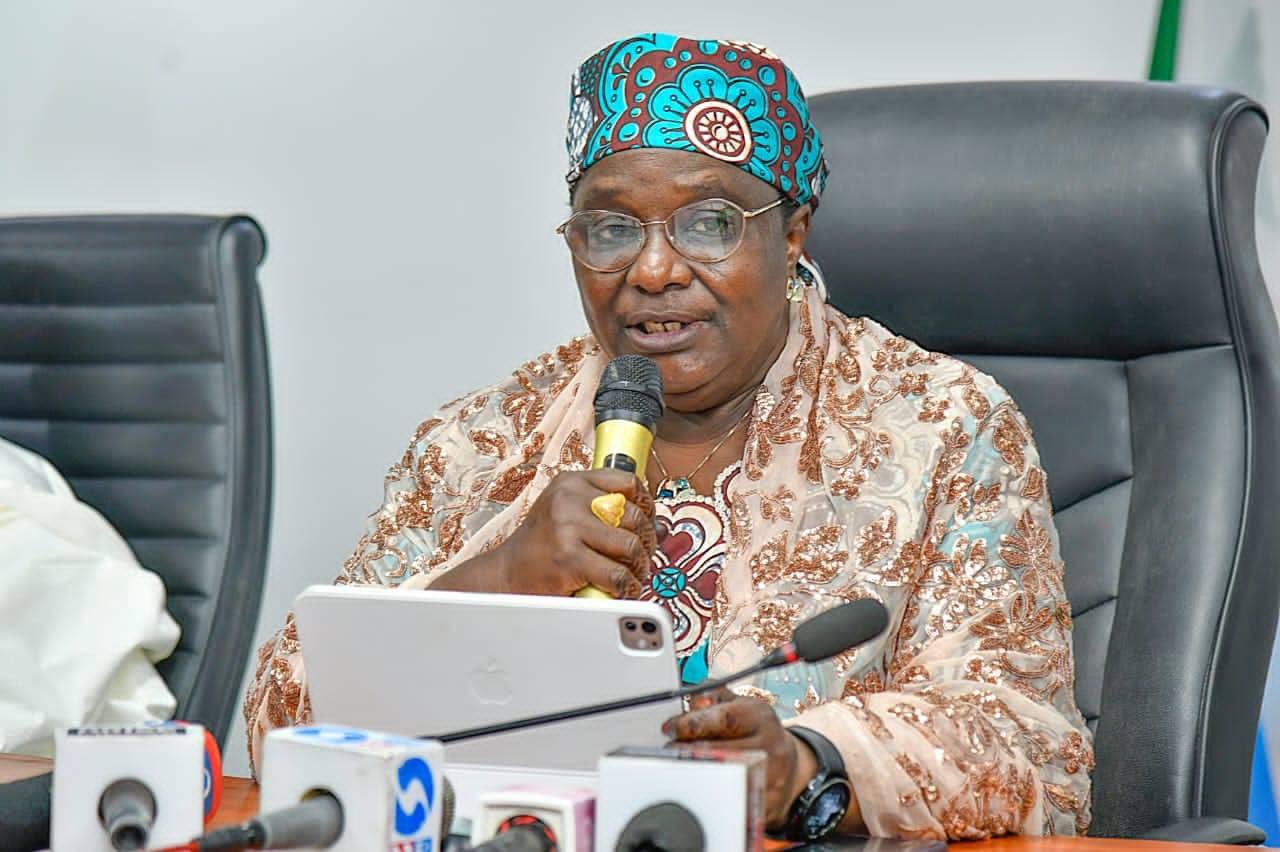
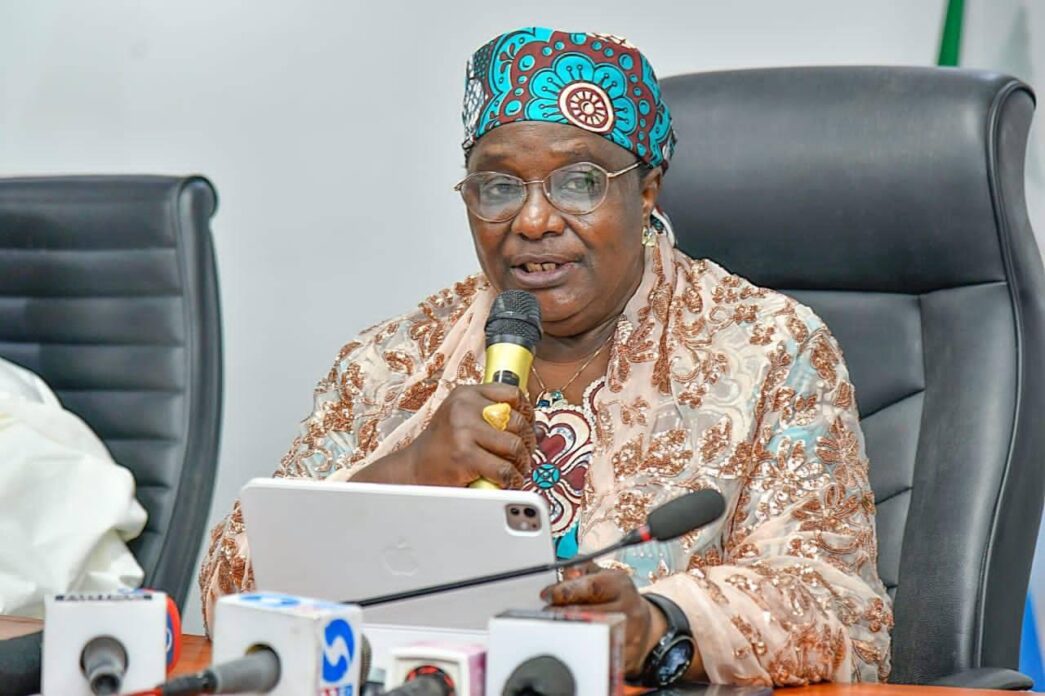
Hadiza Balarabe, deputy governor of Kaduna
Hadiza Balarabe, deputy governor of Kaduna, says women’s inclusion in healthcare strengthens systems, makes communities safer and ensures decisions reflect real human needs.
Speaking at the public unveiling of Women in Public Health Leadership in Africa (WiPHLA) in Abuja on Friday, Balarabe said her conviction is shaped by years of fieldwork and leadership in Nigeria’s public health system.
She added that Kaduna’s experience shows the impact of trusting women with real responsibility and backing them with political will.
The Kaduna deputy governor said her professional journey — which began in the field and culminated in her appointment as director of public health in the Federal Capital Territory in 2014 — continues to guide her thinking.
Advertisement
“I watched local immunisation teams succeed because the women who led them understood the rhythms of their communities. I saw primary health facilities survive difficult years because women supervisors held them together with discipline and a sense of duty,” she said.
“That experience shaped my conviction that leadership is not a gift for a few. It is a discipline that is learned, strengthened, and proven over time.
“In Kaduna state, we have been fortunate to work under a governor who believes in women’s capacity to lead. This is not a slogan. It is reflected in decisions that have placed two women at the helm of the ministry of health from 2019 to this day.
Advertisement
“Their stewardship, combined with firm political will, has guided major reforms that continue to reposition our health sector. It is also reflected in the leadership of the state’s health supply chain, where two women have led the agency consecutively, improving efficiency, stabilising commodity flow, and making Kaduna a model studied by other states. These results did not appear by chance. They came from trust, opportunity, and competence.”
‘GLOBAL EVIDENCE BACKS WOMEN’S LEADERSHIP’
The deputy governor noted that research from leading institutions reinforces the value of women in health leadership.
She said the data aligns with Kaduna’s experience and supports the argument for more inclusive decision-making structures.
Advertisement
“Studies by the Harvard School of Public Health show that teams with gender balanced leadership record stronger governance practices and better organisational resilience,” she said.
“The World Health Organization has noted that women account for the majority of the health workforce worldwide, yet remain underrepresented in senior decision making.
“The gap limits performance. When leadership reflects the people it serves, systems respond more accurately, more quickly, and more fairly. Across industries, the pattern is similar.
“Research from McKinsey and Catalyst points to higher organizational performance in institutions where women hold strategic leadership positions.
Advertisement
“These are not abstract claims. They speak to the simple idea that diversity strengthens judgment and widens the range of solutions available to a system. Health is no exception.”
‘WiPHLA MUST GATHER, PREPARE AND ELEVATE WOMEN’
Advertisement
Balarabe said WiPHLA enters the landscape with a mandate to build durable, evidence-driven leadership.
She noted that the organisation’s strategy must focus on strengthening women already committed to public health leadership.
Advertisement
“To gather, to prepare, and to elevate. These three steps form the foundation of durable leadership,” Balarabe said.
“You gather women whose commitment is already evident. You prepare them with the skills and evidence that leadership demands. You elevate them to positions where their knowledge can guide policy and strengthen systems.”
Advertisement
She said the network has the potential to shape the future of public health leadership across the continent.
She noted that the organisation can bridge gaps in mentorship, community and structured support.
“If WiPHLA keeps these three tasks at the centre of its mission, it will build a community that outlives any single moment and shapes the continent’s future,” the Kaduna deputy governor said.
“WiPHLA can help shape this future. It can stand as a resource, a mentor, and a partner. It can open doors for emerging leaders.
“It can offer guidance to seasoned professionals. It can create a community that helps women lead with purpose, with confidence, and with a sense of responsibility to the continent.
“Evidence guides our decisions. Integrity guides our conduct. Service guides our purpose. When these three stand firm, leadership becomes more than a position. It becomes a contribution to society.”