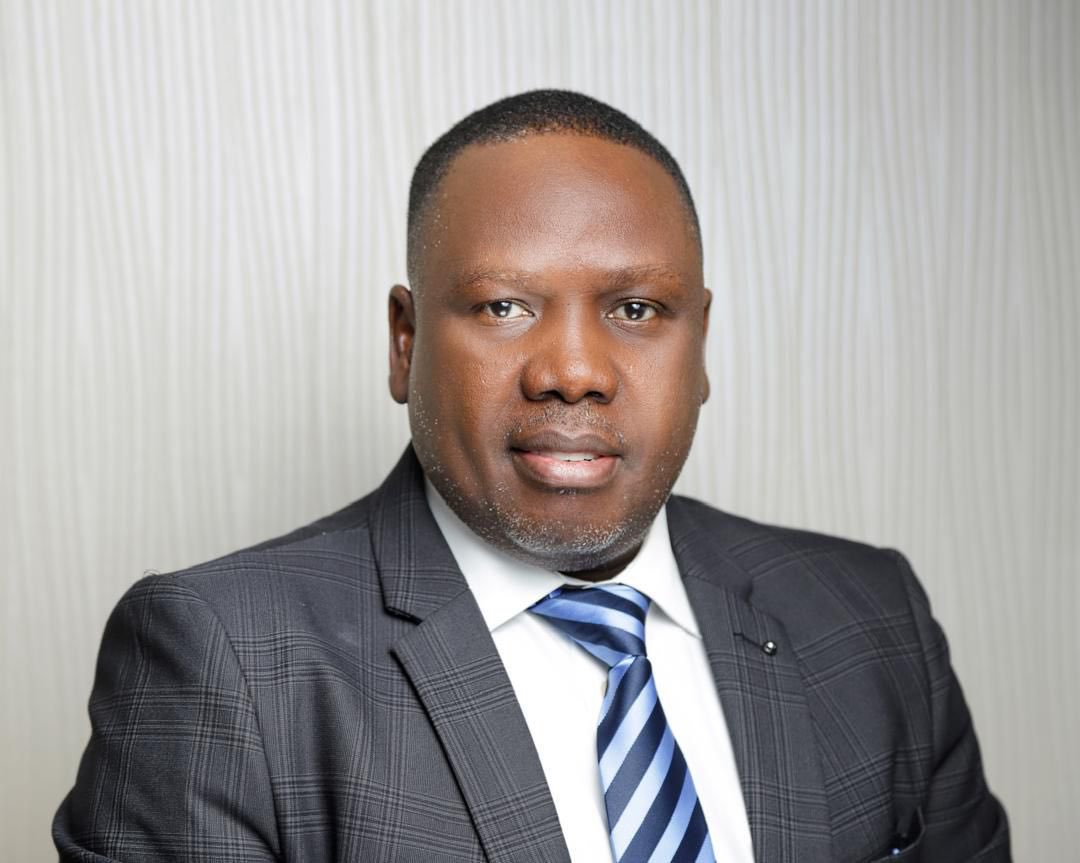
Daniel Bwala, special adviser to President Bola Tinubu on policy communication, says the federal government does not negotiate with terrorists.
Speaking on ‘The Morning Brief’, a Channels Television programme, Bwala said the complexity of Nigeria’s security situation sometimes forces governments to make difficult decisions.
“There was a time the federal government was negotiating (with terrorists), and I think that el-Rufai (the former Kaduna governor) once talked about a national policy at that time, when they said both states and the federal government can be in a situation where they will have to negotiate,” he said.
“Because if your duty is to preserve the life of people, and citizens of Nigeria are in danger, and negotiation is the only way to save them, and you have to save them, then you have to do all that you need to do to save them at that time.
Advertisement
“But President Tinubu came with this zero tolerance on negotiation because it didn’t fit into this terrorism financing. You see, you are constructively financing terrorism without knowing it.
“So instead of elements who are sponsoring them by giving them the money as ransom to collect the people, they also use the ransom money to buy more weapons.
“So the federal government does not tolerate the idea of negotiation.”
Advertisement
‘NOT ALL NEGOTIATIONS INVOLVE MONEY’
Speaking on the release of recently abducted schoolchildren in the northern region, Bwala said several factors can influence the release of kidnap victims including fear by abductors that holding on to captives could expose them to greater danger.
“There are lots of factors that can occasion that. One, you know that there are individuals who call themselves negotiators. When it comes to negotiation, it’s not in all cases that money is involved,” he said.
“There are cases where the people might feel that if they don’t release these people, there’s going to be a bigger problem than they can manage. That can serve as incentive for them to release the people.
Advertisement
“Sometimes people they listen to — they could be these clerics or anybody they could listen to — can also be a factor.
“At other times, it can also be that the federal government has sort of encircled them in terms of saying, from the intelligence point of view, you at least have an idea of where they are, right, but you have a difficulty of going to bomb there because then you have soft people with them.
“But then you are giving them warning, and they can decide to turn them over. At other times, on their own, they can choose to do that.”
Bwala added that some families and state governments still end up paying ransom to theirs abductors.
Advertisement
The presidential aide also insisted that the federal government neither paid for the release of the Kebbi schoolgirls nor intends to pay for abductees in the future.
Responding to claims made by terrorists in a video, he said their statements are propaganda designed to intimidate the public.
Advertisement
He said claims by the abductors lack credibility because they have not provided evidence such as “how much they collect” or “who they collected from”.
Bwala said rebuilding trust will take time because the problem “was inherited by this government”.
Advertisement
He added that the administration remains focused on resolving insecurity, saying “our eye is on the ball”.
Advertisement