


BY GBANGA ONABANJO
So, can our democracy build world-class cities? Yes — but not in its current form.
Democracy itself is never the problem. The real challenge lies in the type of democracy we practice: one that is over-centralised, personality-driven, patronage-funded, institutionally weak, administratively inconsistent, and structurally resistant to continuity. It is not democracy that fails cities; it is democracy without systems, without discipline, without institutions, without planning, and without an abiding respect for the long arc of development.
For Nigeria to build cities that can stand proudly beside Dubai, Cape Town, Toronto, or Singapore, our democracy must evolve beyond the perpetual recycling of politics into a governance system capable of birthing and sustaining urban greatness. This requires more than elections and manifestoes; it demands a deep restructuring of how we plan, govern, maintain, and imagine our urban future.
Advertisement
First, we must dramatically reduce the cost of governance so that resources can flow into infrastructure, planning, and long-term maintenance rather than being swallowed by political overheads. Local governments must regain their autonomy and competence and be allowed to function as true engines of development rather than as appendages of state executives. Our civil service must be professionalised and protected from politicisation so that technical roles remain in the hands of those qualified to execute them.
Masterplans and infrastructure budgets must be ring-fenced and preserved across administrations, with metropolitan planning authorities empowered to coordinate growth in regions like Lagos, Abuja, Kano, Port Harcourt, and Enugu. Maintenance must become a non-negotiable culture, not an afterthought. Enforcement of building and environmental regulations must be unwavering. And governance at all levels must be guided by measurable outcomes rather than political sentiment.
Only with these reforms can democracy produce not just leaders, but institutions strong enough to shape the destiny of cities.
Advertisement
But there is another dimension — one that speaks to the responsibility of citizens, civil society, and the advocacy groups that shape public pressure. Across Nigeria today, there is a palpable silence where there should be active civic interrogation of government performance. Many states run without scrutiny, without benchmarks, and without pressure from the public to maintain the physical environments in which people live. This absence of advocacy is dangerous. The state of our cities reflects not only the failures of government, but also the disengagement of citizens.
It is time, therefore, to declare what I call a “Maintenance Culture Emergency” — across all states of the federation, including the federal level. Our cities are decaying because maintenance is not embedded in governance, in budgeting, or in political accountability. The condition of public spaces, roads, schools, hospitals, and even monumental infrastructure tells the story of a nation that has not yet learned that development must be sustained, not merely initiated.
The recent recognition of Akwa Ibom as the cleanest state in Nigeria was a welcome reminder that excellence is possible. Yet one wishes the reward for such achievement was high enough to spur every other state to compete fiercely in maintaining its environment. In developed climes, infrastructure drives city-building: rail lines, highways, schools, hospitals, airports, and power plants become magnets for investment, triggering ecosystems that grow organically around them. Nigeria has not yet mastered this.
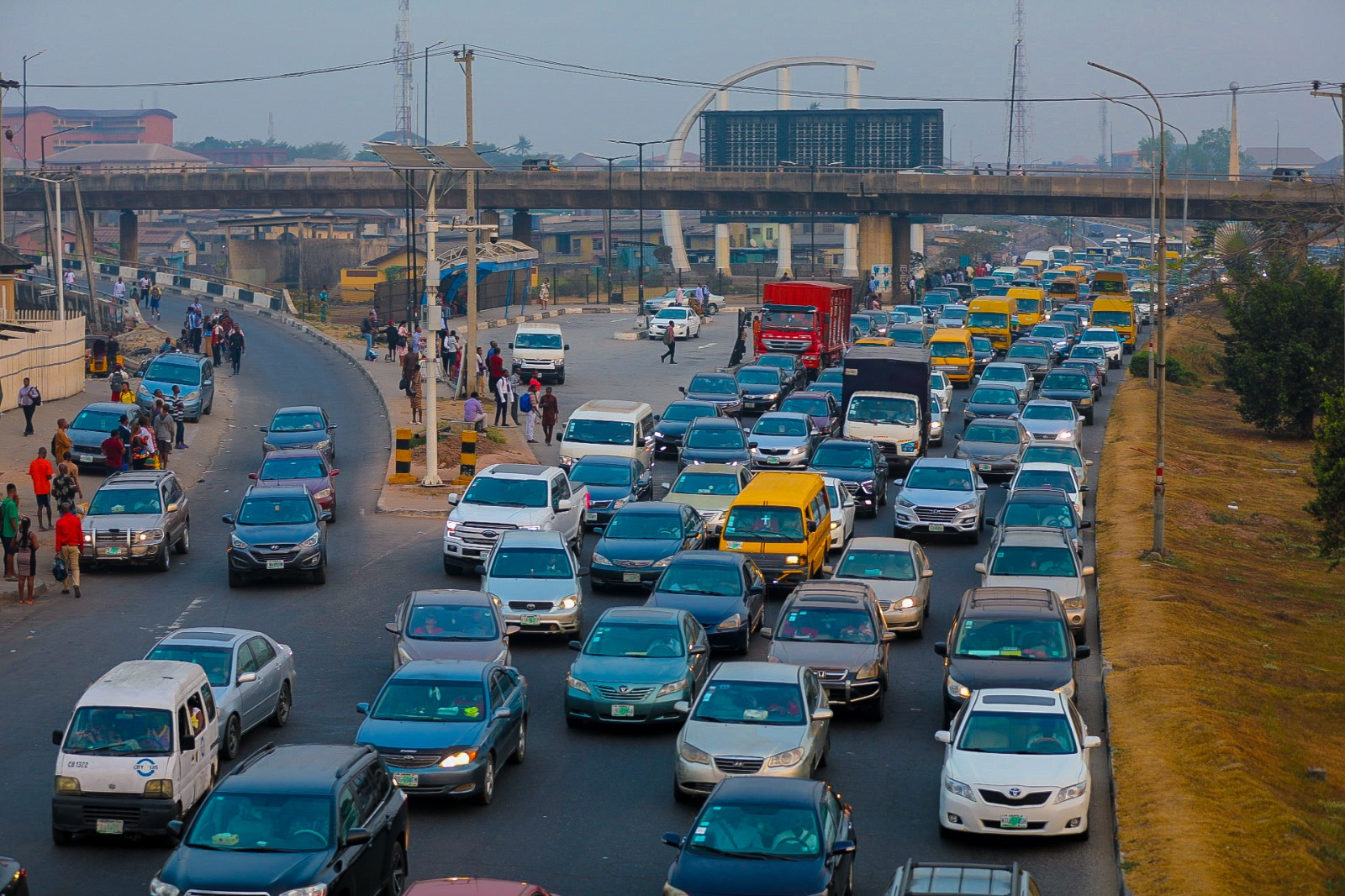
I wrote recently about the Lekki–Epe Expressway, a beautifully reconstructed arterial road — now falling into visible disrepair even before completion. This corridor should be a textbook example of Transit-Oriented Development. Entire settlements could have been organised with complete-street principles, fenced-off spines where appropriate, noise barriers, walkable neighbourhoods, designated magnets at interval nodes, and a clear development framework connected to a masterplan.
Advertisement
This road leads to one of the world’s most significant refineries. Yet instead of carefully planning complementary infrastructure and coordinated urban ecosystems, we are repeating the same unstructured expansion that has plagued many of our corridors.
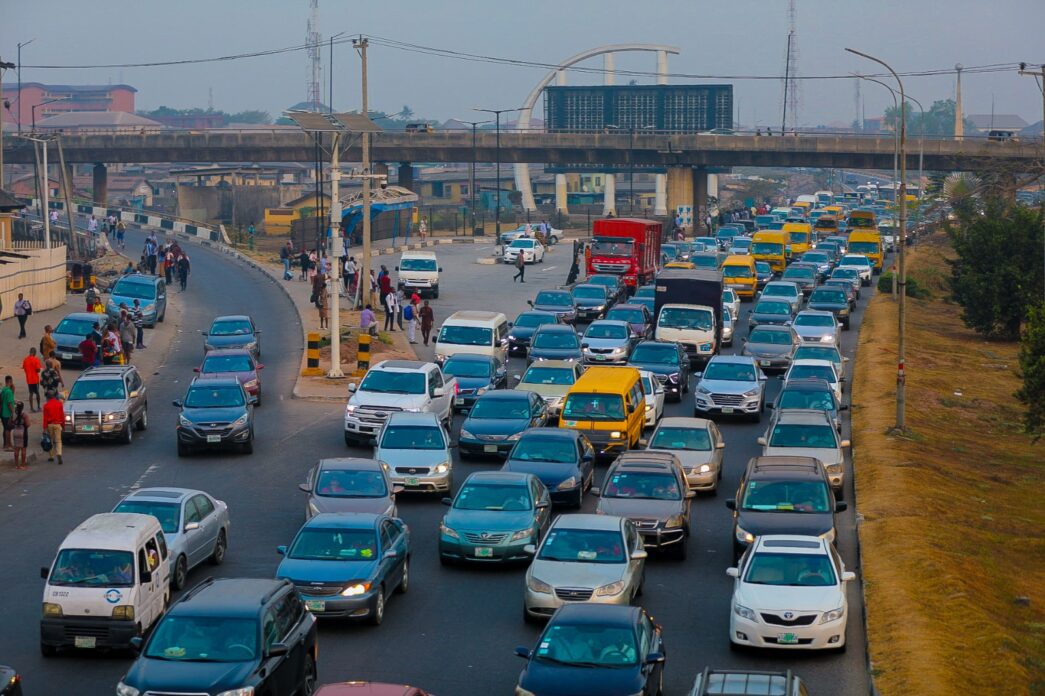
The same failure is evident around the Lagos–Sagamu Expressway, where cities should have emerged as orderly extensions of infrastructure. Instead, unregulated development continues to spread, demonstrating once again the consequences of weak foresight among political leaders and the chronic absence of strong citizen advocacy.
We must begin to demand better — insistently, consistently, intelligently. If other nations can build cities like Marrakech, Dubai, Cape Town, Singapore, and Vancouver through deliberate planning, disciplined maintenance, and democratic accountability, then Nigeria has no excuse. Our urban future will not change through wishful thinking or the episodic brilliance of individual leaders. It will change only when institutions, citizens, and political actors collectively accept that a world-class city is not a luxury; it is a social and economic necessity.
This series has been a plea, a diagnosis, a warning, and ultimately a call to action. It is a reminder that democracy must evolve into a system that cares not only about electing leaders, but about the quality of the spaces in which citizens live, work, learn, worship, and aspire. It must become a democracy that builds environments reflective of human dignity, order, beauty, and resilience.
Advertisement
Nigeria has the talent. It has the creativity. It has the resources. It has the visionaries. What it needs now is a democracy mature enough to allow our cities to breathe, grow, and flourish.
World-class cities are within our reach — but only if we build a democracy capable of birthing them. This is the task before us. This is the call of history. This is the responsibility of our generation.
Advertisement
Onabanjo, an architect, environmentalist and urban policy advocate, is the founder of GO-FORTE FOUNDATION – an NGO for the restoration of the environment
Advertisement
Views expressed by contributors are strictly personal and not of TheCable.