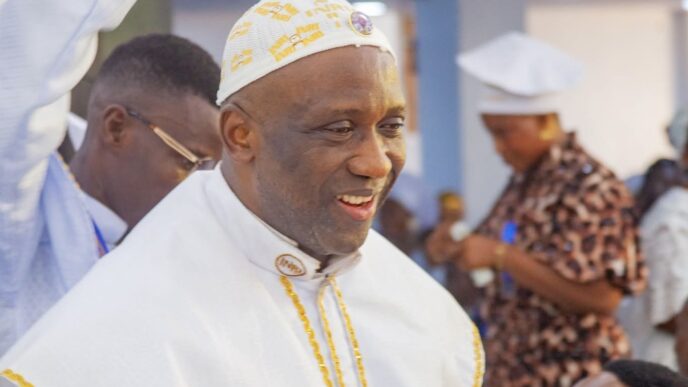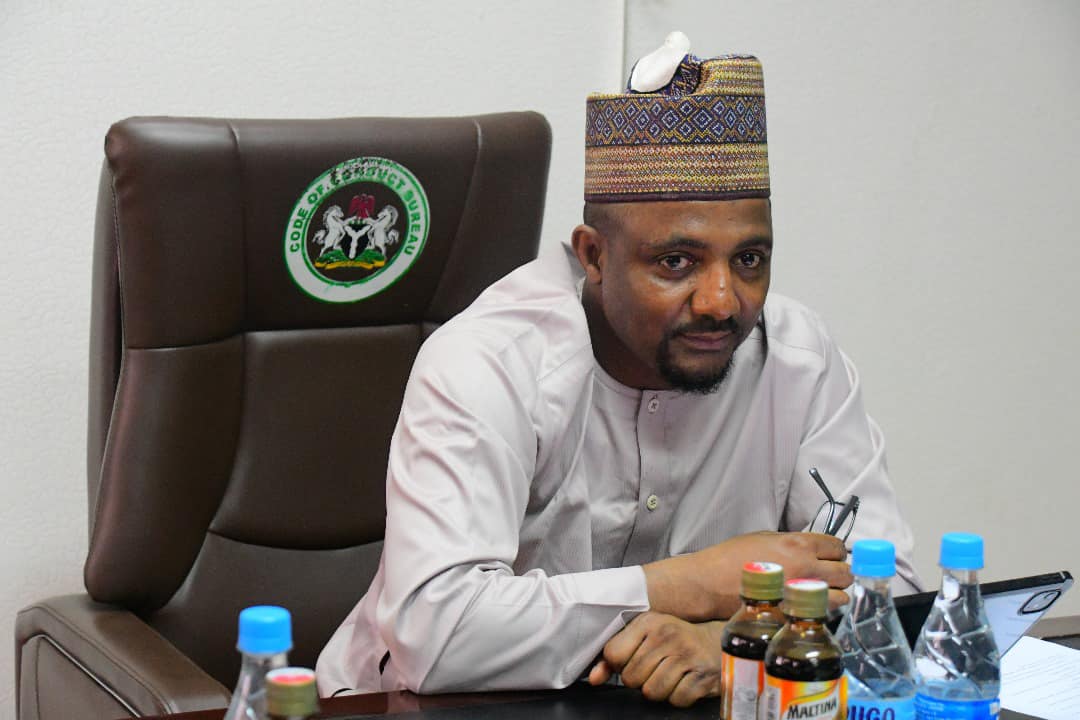
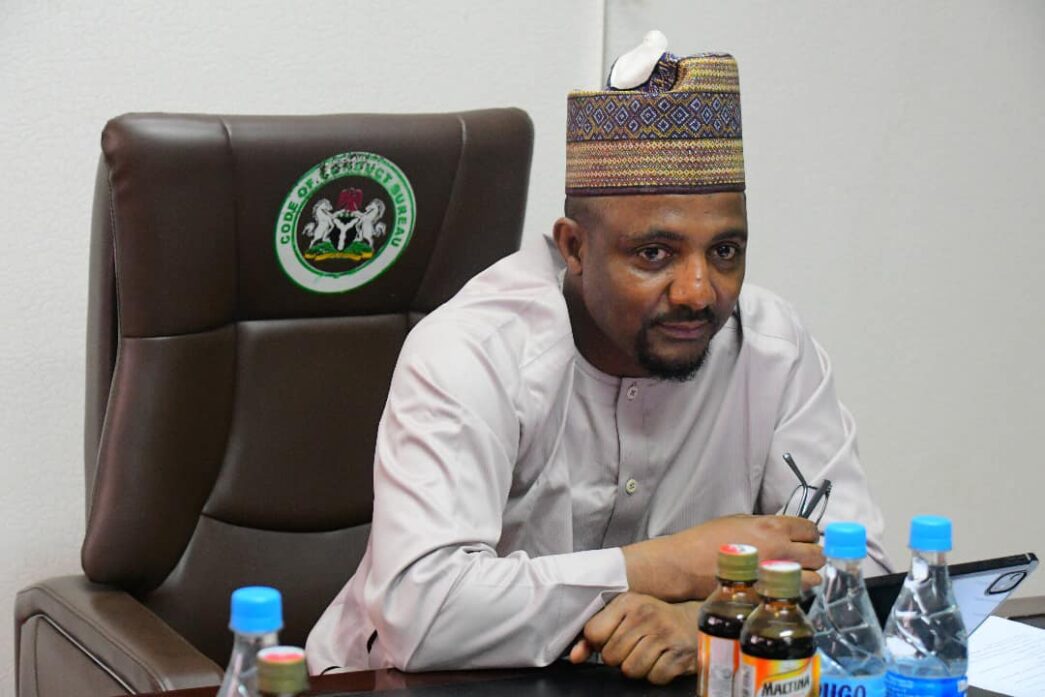
Abubakar Bello, chairman of the bureau,
The Code of Conduct Bureau (CCB) says corruption investigations are ongoing against former ministers, serving senior government officials and other high-ranking public office holders across federal and state levels.
Abubakar Bello, chairman of the bureau, spoke on Sunday in an interview with NAN.
According to him, some of the cases involve individuals with significant political influence.
“We have started investigating high-profile individuals. There is a former minister we have already taken to court,” he said.
Advertisement
“Right now, we are investigating another former minister and also a serving top government official.
“I won’t mention names because we are still at the investigation stage. We don’t want to turn it into a media trial.”
Bello said the bureau has also obtained interim forfeiture orders from the courts and made recoveries in cases linked to local government chairmen and senior officials at the state level.
Advertisement
He rejected claims that Nigeria’s anti-corruption drive focuses only on minor offenders while sparing politically exposed persons, insisting that powerful office holders are not excluded from scrutiny.
The CCB chairman said investigations are conducted strictly in line with the law, adding that the agency does not operate based on public pressure or political influence.
‘WHY WE AVOID MEDIA TRIAL’
Explaining why the bureau avoids publicising ongoing cases, Bello warned that premature exposure could damage reputations before guilt is established.
Advertisement
“From my experience working with the EFCC, sometimes people write frivolous petitions,” he said.
“Once the media starts reporting it, the person is already labelled corrupt.
“But, if investigations later show he is innocent, his name is already damaged. That is why we only speak when we are ready to go to court.”
Bello said asset declaration remains the bureau’s primary mechanism for detecting corruption among public officers.
Advertisement
“Every public officer is required to declare assets at the beginning and at the end of their tenure. It is within this window that corruption is detected,” the CCB chairman said.
“If you declare your assets at the beginning of your tenure and we verify it, we don’t have any issue with you again until the end of your tenure.
Advertisement
“But if at the end of your tenure you suddenly move from N10 million to N200 million and you cannot explain the source of that increase, that is where we come in.”
Bello said the bureau’s work is not limited to asset verification alone, adding that petitions and allegations from the public also trigger investigations.
Advertisement
Responding to concerns over Nigeria’s poor anti-corruption ranking, Bello pointed to institutional constraints such as inadequate funding, limited manpower and the continued use of manual systems.
Advertisement