EHealth Africa, a non-governmental organisation focused on strengthening health systems through technology, has called for sustainable financing and stronger collaboration to drive adolescent behavioural change and tackle health misinformation across the continent.
The call was made at the 2025 Global Digital Health Forum (GDHF) in Kenya during a salon session hosted by eHealth Africa in partnership with Population Services International, Reach Digital Health, the Bay Area Global Alliance and the Africa Hub for Innovation and Development.
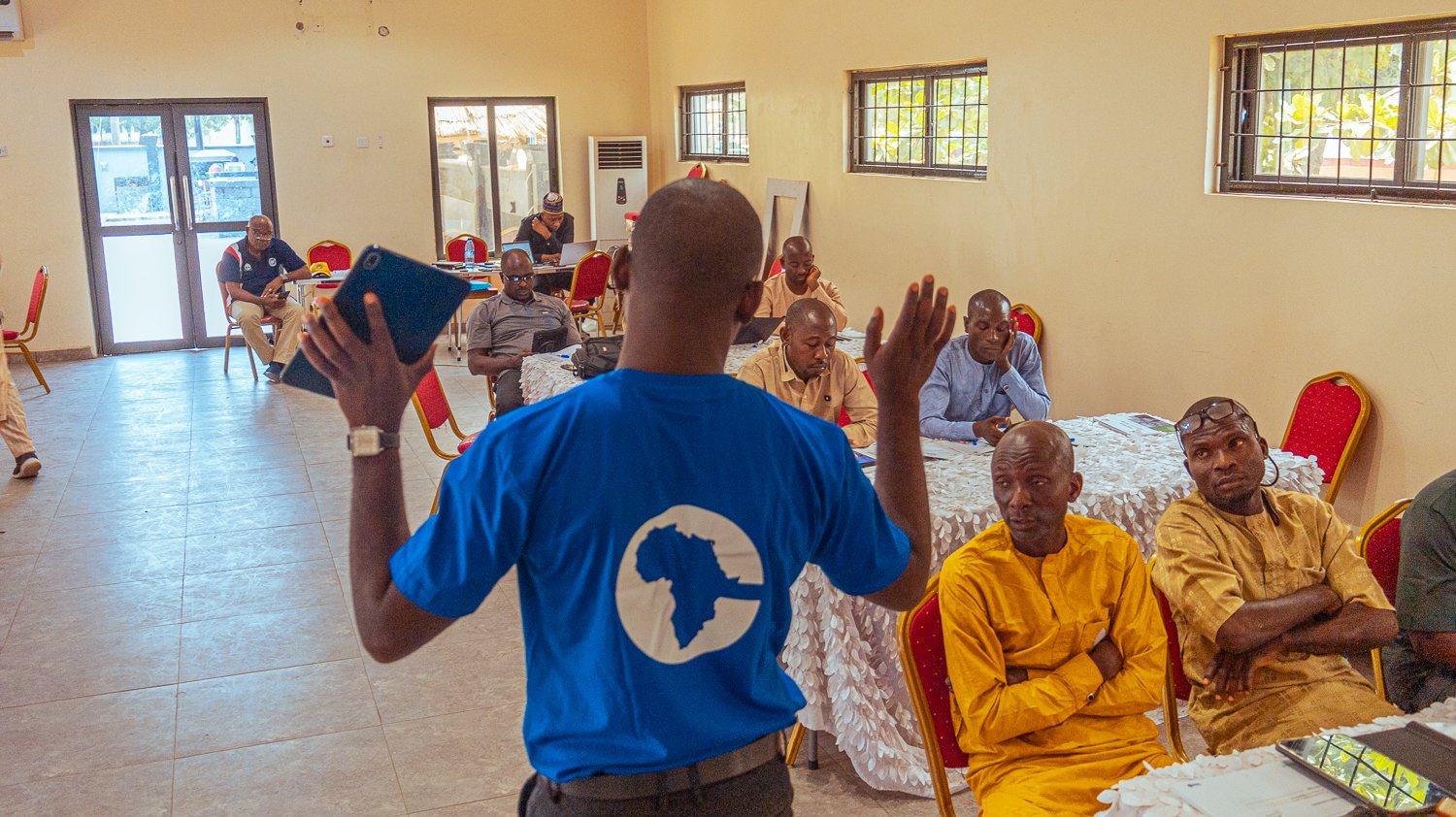
The session, titled ‘Digital Interfaces to spur behaviour change in health among adolescents in Kenya and Beyond’, focused on how behavioural science, cultural storytelling and digital technology can be combined to deliver engaging health solutions through platforms already familiar to young people, including mobile phones and chatbots.
Atef Fawaz, executive director of eHealth Africa, said the growing access to digital devices among young people presents a critical opportunity for change.
Advertisement
“It’s an opportunity to leverage technology to address health barriers, correct misinformation, and empower adolescents to make healthier decisions independently,” he said.
Fawaz added that collaboration remains central to progress in the sector.
“We firmly believe that progress is driven through collaboration and co-creation, especially with international and local organisations and, most importantly, with young people,” he said.
Advertisement
He called for increased investment in digital literacy, local developers and community-led content creation.
Also speaking, Ota Akhigbe, eHealth Africa’s director of partnerships and programs, said the discussion aligns with the organisation’s strategy of using digital innovation to solve real community challenges, particularly for adolescents.
“They allow us to leverage digital tools that meet adolescents where they already are: on their phones and online,” she said.
Akhigbe noted the organisation’s commitment to scalable, data-driven solutions that strengthen local health ecosystems.
Advertisement
Partners at the session also highlighted the importance of building strong foundations for artificial intelligence adoption in Sub-Saharan Africa.
Carlos Yerena, director of partnerships and growth at Reach Digital Health, said AI must move beyond theory to practical impact.
“For AI to move from promise to practice, it must be built on sustainable, well-connected systems and designed around clear, context-specific requirements,” he said,
The organisation said these engagements reflect its broader commitment to youth-centred, climate-resilient and innovative digital health solutions capable of strengthening health systems and empowering communities across the continent.
Advertisement