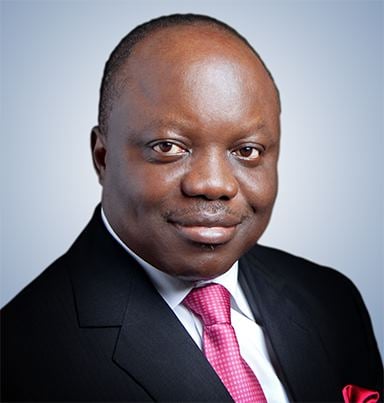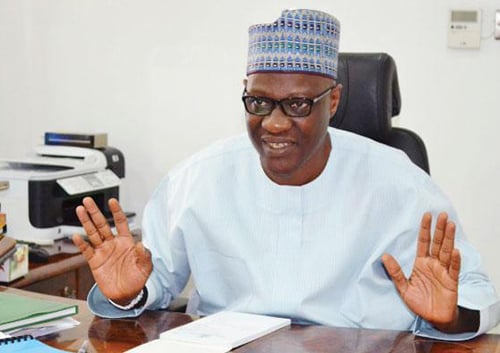


Muhammad Inuwa Yahaya, the Gombe state governor, says his government has saved N2.8 billion by cutting 500 ghost workers across the healthcare system in the state.
Yahaya said his government has also built or renovated 114 primary health care centres (PHCs) across the state, providing coverage for every ward and health insurance for more than 300,000 people.
The governor disclosed this while sharing his account on PHC reform in a Gates Foundation spotlight, published in the 2025 Goalkeepers report titled “We Can’t Stop at Almost.”
Read the governor’s full account below:
Advertisement
In 2019, when I became governor of Gombe State in Northern Nigeria, a historic budget deficit existed. We had broken systems, failing clinics, crumbling schools—and very little money to fix them. Our health system received only 3.5 percent of the state’s total budget. Infrastructure was dilapidated, trained staff were few and often absent, and services were unaffordable for poor people. It would have been easy to wait to fix things and not spend money. But people weren’t waiting, and so, neither could we.
Often, people think budget cuts save money. But what really saves money—and lives—is spending with vision, discipline, and purpose.
We made a choice to focus our resources and rebuild. We prioritized the basics: primary health, education, and trust. Today, Gombe has one renovated or newly built primary health center in every ward—114 in total—to deliver 24/7 services. More than 300,000 people are enrolled in our state’s health insurance scheme. And we’ve constructed three general hospitals and rebuilt our specialist hospital. None of this was done with donor funding but with the budget we already had.
Advertisement
It wasn’t easy. One of the hardest things I had to do was introduce biometric attendance for health workers. On paper, our facilities were staffed. But when I walked into clinics, I found nurses alone, treating twice the number of patients with half the team. We found 500 ghost workers. By addressing these issues—we saved ₦2.8 billion (US$ 1.8 million). And we reinvested all of it into training, hiring, and expanding care.
We’re using that same lens now as health financing is changing to improve efficiency through technology—tracking not just attendance but service delivery too. When you know where the gaps are, you know where to act. And we improved coordination of external funding by appointing a special adviser who reports directly to me to ensure we’re maximizing resources.
What I’ve learned is this: You don’t need perfect conditions to make progress. You need clarity, and the courage to stick to it.
In Gombe, we didn’t wait for perfection. We didn’t wait to be rescued. But we didn’t try to go it alone either. We started with what we had. We built what we needed. And then, we invited partners to walk with us—not because we had the loudest needs, but because we had a clear vision.
Advertisement
Leadership isn’t about chasing recognition. It’s about ensuring people no longer wake up fearing the same suffering they knew yesterday.
As a leader, you will face resistance and doubt. But if you stay grounded in your people—if you start with data, stay consistent, and lead with purpose—support will come. And change will follow.
We are not alone in this work. The path forward is one we walk together: communities, governments, and global partners, side by side. That’s how real change is built, and how it lasts.
Advertisement