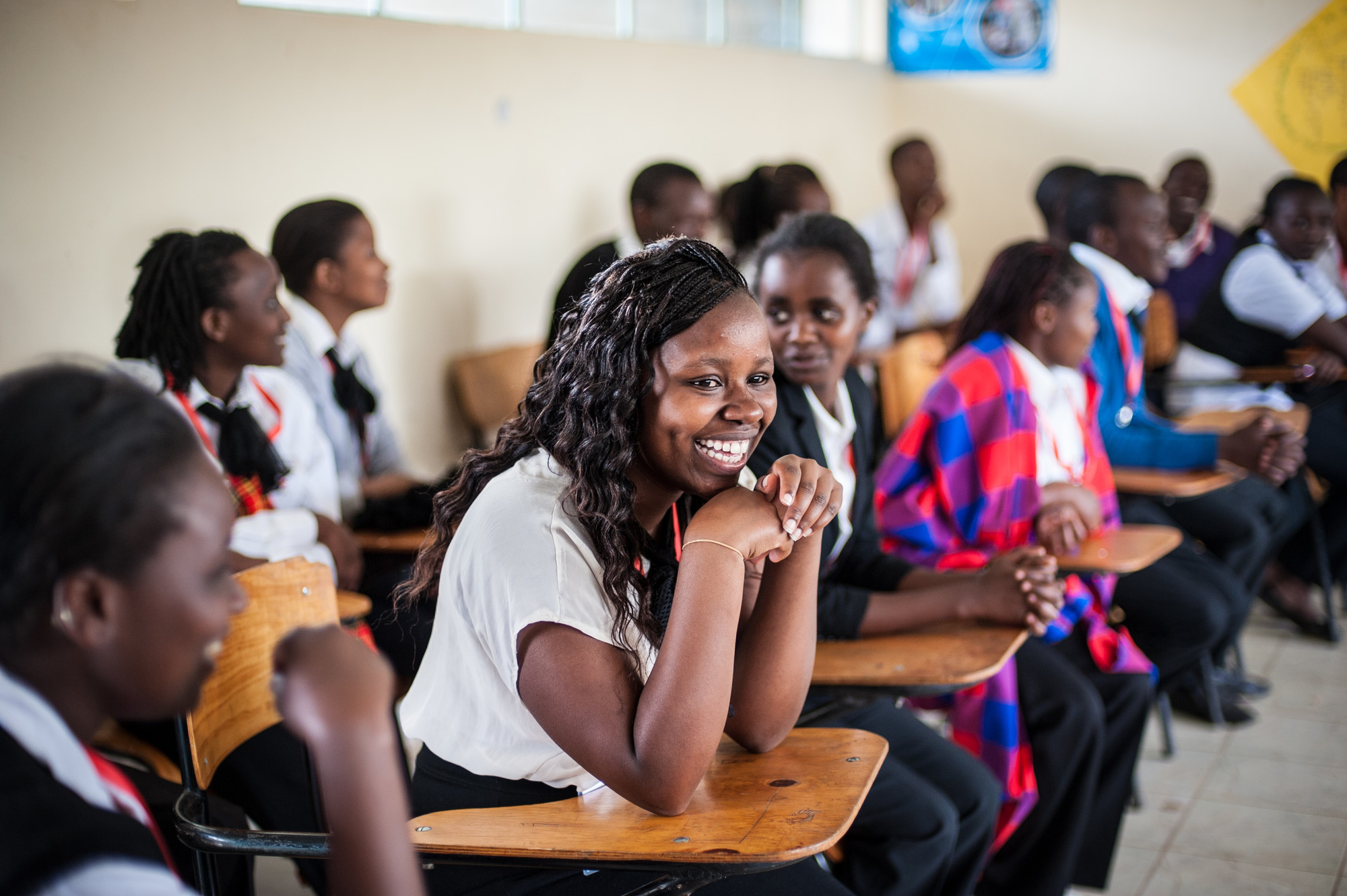
File photo of girls in a class
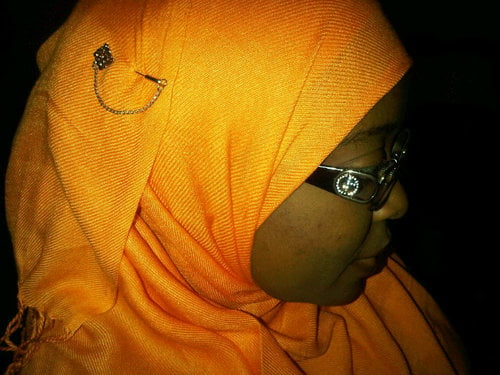
When 14-year-old Zainab felt the first warm trickle of blood run down her leg during a school lesson, she froze in her seat and waited until the bell rang so she could slip away unnoticed.
She washed her stained uniform late that night, terrified that someone might discover what had happened and accuse her of attracting shame to the family.
At home, conversations about puberty were reduced to vague warnings delivered with a sternness that made questions feel improper, so she endured the confusion quietly, convinced she was experiencing something she was not supposed to talk about. For days, she carried the weight alone, interpreting her body’s changes through the only lens she had ever known, which was silence.
“I felt scared because I thought I had done something wrong. I did not know if this was normal or if I was sick, and nobody had ever explained it to me in a way I could understand,” she said.
Advertisement
For two weeks, she managed the situation alone, trembling every time she felt wetness, afraid that speaking about it would lead to judgement.
Across many communities in the Federal Capital Territory (FCT), stories like hers continue to reflect the heavy silence that surrounds adolescence. Public-health research shows that many Nigerian adolescents do not receive accurate puberty education before major bodily changes occur.
Across many parts of the FCT, stories like Zainab’s still unfold quietly. Adolescents enter puberty with an array of fears and unanswered questions because the adults around them have learned to treat such conversations as delicate or improper.
Advertisement
Research has shown that misinformation often fills this vacuum. A national scoping review reports that adolescent pregnancy in Nigeria ranges widely from 7.5 per cent to 49.5 per cent across regions, a variation linked to gaps in knowledge, limited autonomy, and constrained access to youth-friendly services.
The absence of structured education on puberty, consent, and reproductive health leaves many young people vulnerable to myths, peer pressure, and preventable health risks.
BREAKING THROUGH THE FOG OF MISINFORMATION
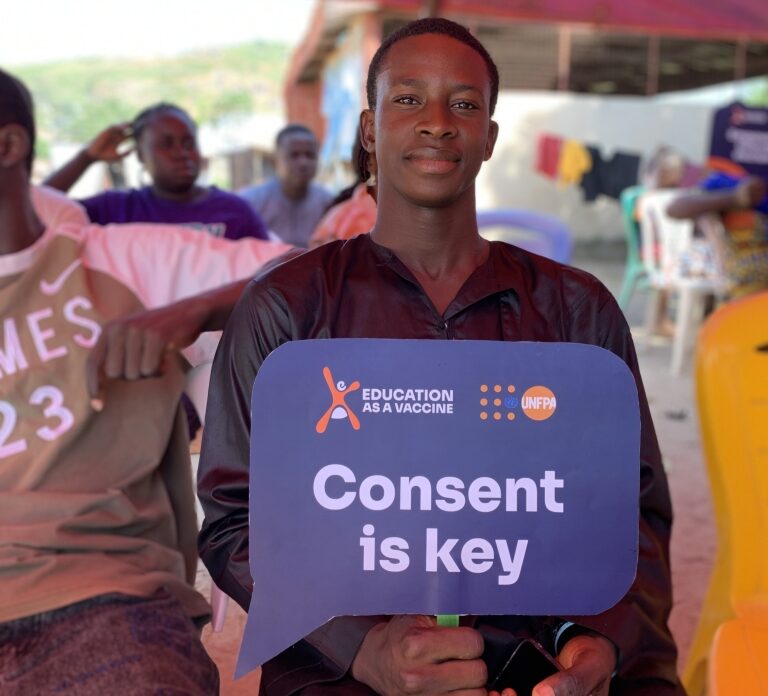
In Jikwoyi, Kurudu, Jigo, and Kuduru, four communities where silence about adolescent health runs deep, Education as a Vaccine (EVA) introduced a community learning programme intended to confront these gaps by grounding conversations in accuracy and cultural sensitivity.
Advertisement
They designed sessions to mirror familiar gatherings rather than formal lectures, allowing facilitators to guide discussions about puberty, hygiene, relationships, and consent in a way that felt approachable.
Many adolescents who attended for the first time arrived with visible stiffness, unsure whether their questions would be dismissed or judged, but the tone began to change as facilitators invited them to speak freely and offered reassurance that no question was inappropriate.
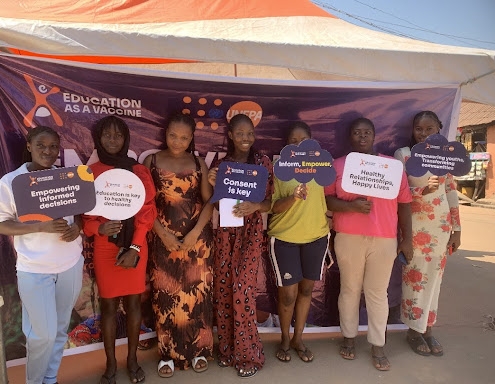
Over the course of the programme, the sessions reached about 400 adolescents directly. The questions that emerged exposed the extent of misinformation.
Some believed that drinking salt water could stop menstruation. Others thought that pregnancy could occur through casual physical contact. Many boys said they had avoided asking anything about their bodies because they feared being labelled as unserious or morally lax.
Advertisement
Facilitators corrected these misconceptions gently and consistently, encouraging the adolescents to test what they had heard against the facts they were learning.
The impact deepened when the organisation trained 32 youth champions to extend the conversations further into the community. These young leaders were familiar faces, which helped adolescents feel safer raising sensitive issues.
Advertisement
Through conversations held at football pitches, church gatherings, small shops, and school corridors, they reached an additional 1,920 adolescents.
For 17-year-old Emmanuel, one of the champions in Jigo, the work was meaningful because it filled a gap he once felt acutely.
Advertisement
“Before this programme, most of what we believed came from social media, and a lot of it was misleading. Now, when someone asks me something, I explain it the right way, and they listen because they know I am not trying to shame them,” he said.
For Zainab, the change she experienced in her first session was immediate and profound. She described the moment she gathered the courage to ask about her first period.
Advertisement
“I finally asked about what I experienced that day. The woman teaching us smiled and told me it was completely normal,” she said.
“The teacher did not just tell me that I’ve ‘entered womanhood’ but explained everything slowly. And for the first time, I understood my own body without feeling afraid.”
The experience did more than calm her fears; it also changed how she viewed her role within her family.
“Now, when my younger cousin asks questions, I explain things to her so she will not grow up confused as I did,” she said, emphasising how information passed from one adolescent can quickly influence the experience of another.
A CULTURAL SHIFT THAT MOVES SLOWLY BUT STEADILY
The programme’s influence began to ripple through the communities in subtle ways that extended beyond the sessions themselves. Some parents who initially hesitated later requested copies of the youth-friendly manual so they could follow the topics and avoid contradicting what their children were learning.
Teachers observed an increase in participation among students who had formerly been withdrawn, noting that the openness during the sessions appeared to strengthen their confidence in classroom settings.
Public-health research supports these observations, indicating that openness during adolescence can help young people weigh decisions more thoughtfully.
A recent study in the FCT showed that although 78.8 per cent of young people aged 15 to 25 had heard of contraceptive options, 34.6 per cent of sexually active adolescents were not using any method, which suggests that consistent, accurate dialogue may help bridge the gap between awareness and practice.
Community conversations also began to shift. In Kurudu, John Bulus, a father who had long avoided speaking about puberty, admitted that the programme had made him rethink the costs of silence, and he has since encouraged his daughters to raise questions without fear.
“I didn’t think it was okay to discuss menstruation, for example, or anything else like that with my daughters. But that has changed,” he said.
The NGO said many adolescents in Jigo frequently approach youth champions after school to clarify information encountered online, reflecting a new willingness to seek accuracy rather than rely on rumour.
Although the cultural changes remain gradual, they point to a growing awareness that adolescents need clarity to navigate the complexities of development safely.
BARRIERS THAT SLOW PROGRESS
Despite these gains, the initiative has not yet reached many adolescents who are out of school or working long hours to support their families, and their absence means that some of the most vulnerable young people remain without guidance.
Facilitators also observed fluctuating attendance in communities where family responsibilities took precedence, and some adolescents were unable to participate consistently enough to build a strong foundation of knowledge.
Cultural hesitation continues to slow progress, too. In certain households, parents questioned whether discussing sexuality might conflict with their values, and their concerns sometimes discouraged adolescents from attending.
Some youth champions said they felt underprepared when addressing objections rooted in deeply held beliefs, and they expressed a desire for additional training that would help them navigate these conversations respectfully and confidently.
Practical issues also surfaced. At times, the venues were not private enough to encourage open dialogue, and limited funding made it difficult to organise continuous follow-up sessions.
A facilitator pointed out that while the manual distributed to peer educators was helpful, written material alone could not easily undo years of silence or correct the influence of misinformation picked up from social media.
Nigeria’s broader adolescent health landscape adds further complications, as national studies continue to highlight weak access to youth-friendly health services and inconsistencies in policy implementation, which restrict the ability of adolescents to seek help even when they have received accurate information.
Yet these constraints do not diminish the gains already made. They illustrate the realities of working within communities where change must be nurtured carefully, patiently, and with full understanding of the environment.
This story was produced with support from Nigeria Health Watch as part of the Solutions Journalism Africa Initiative.