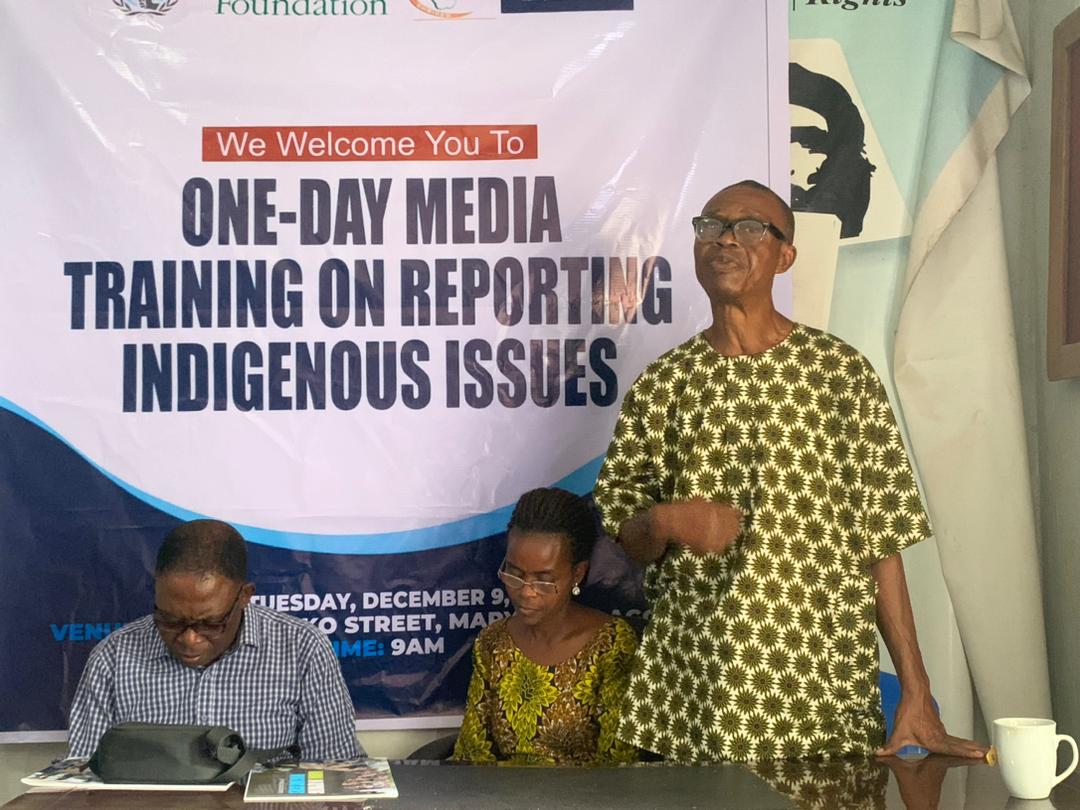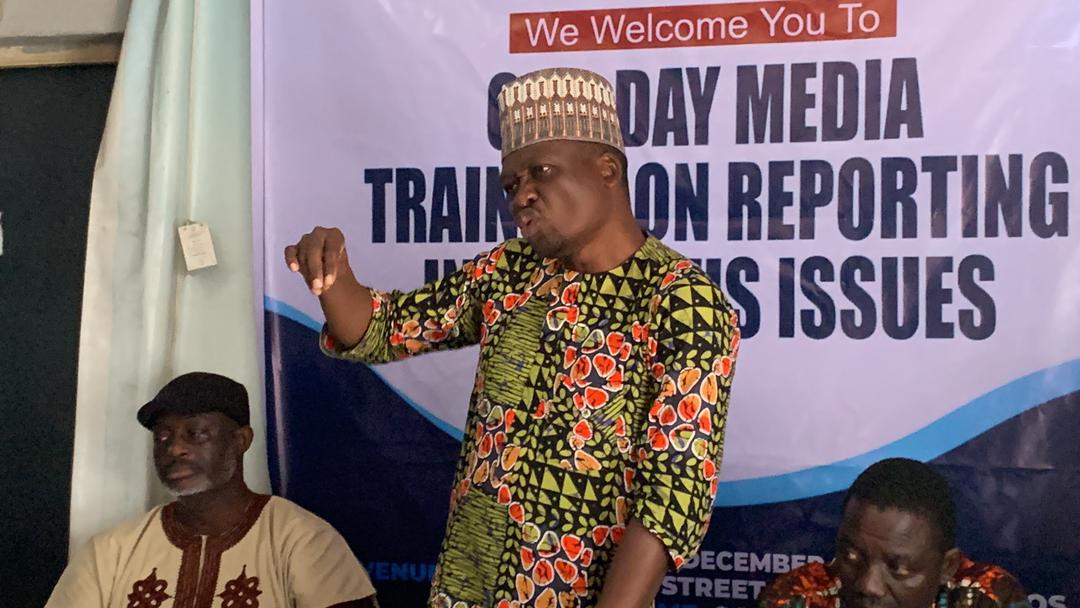
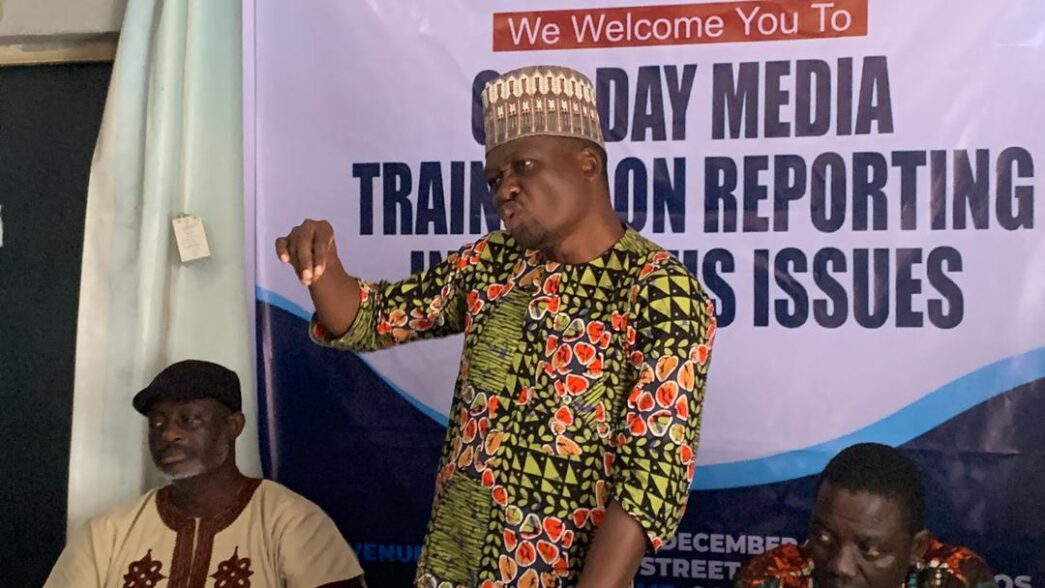
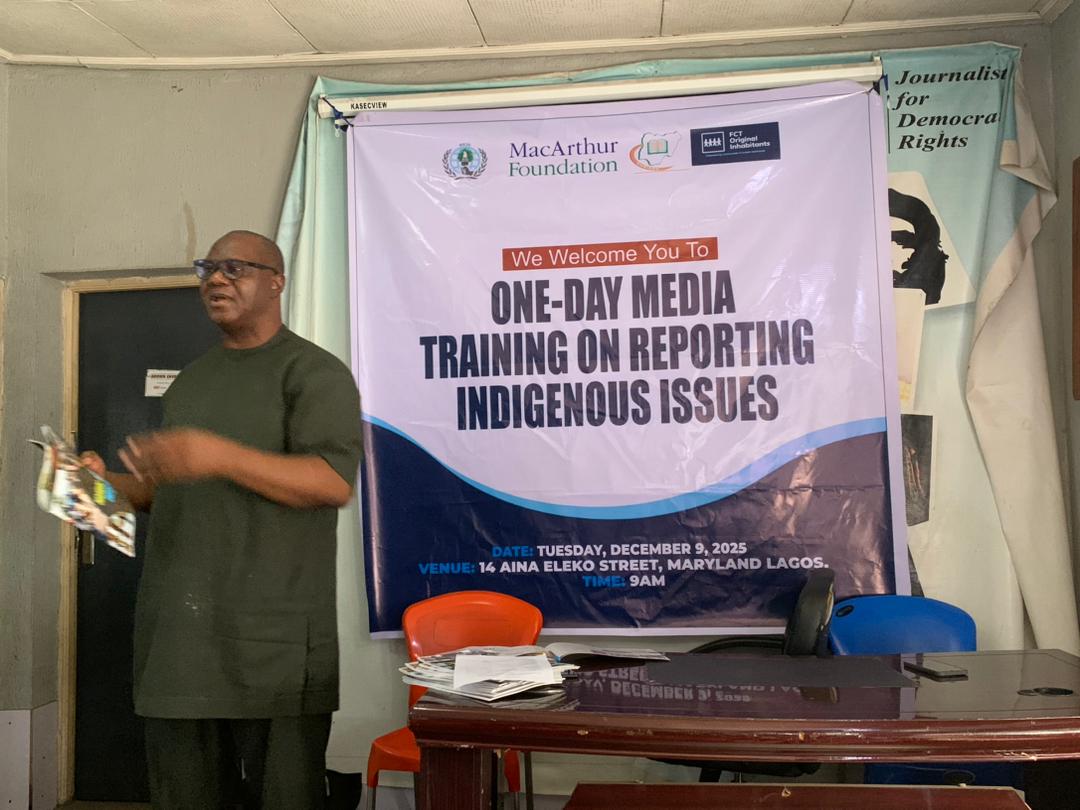
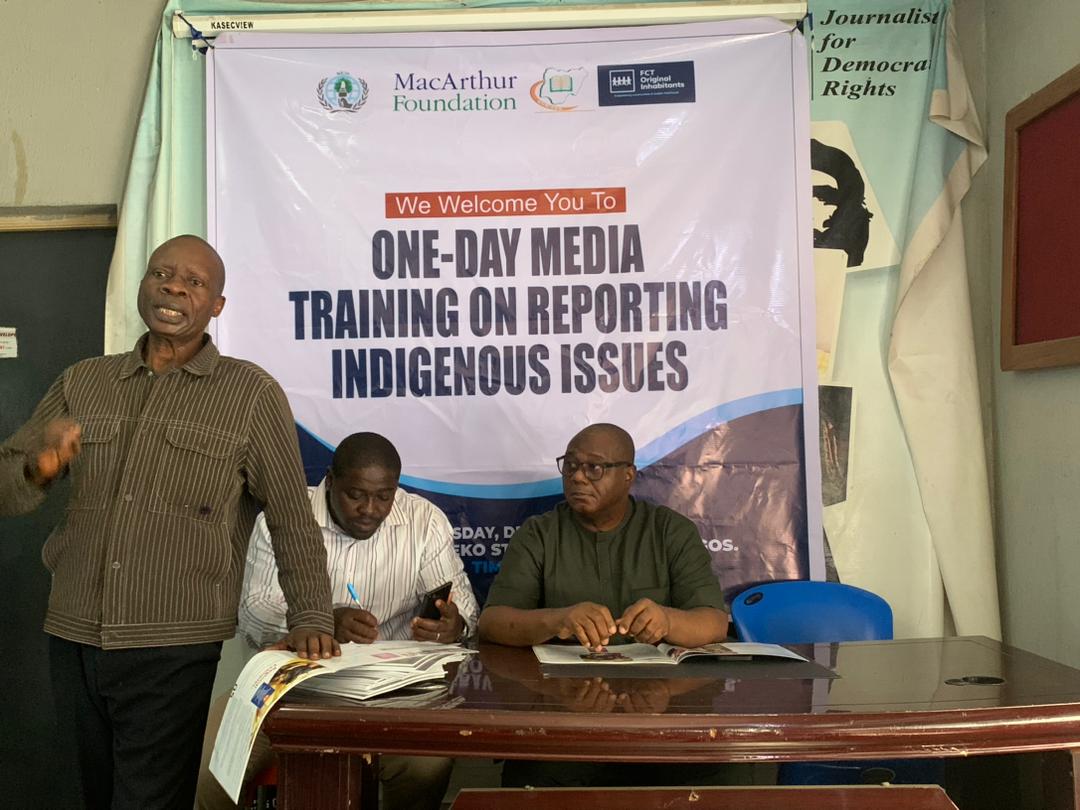
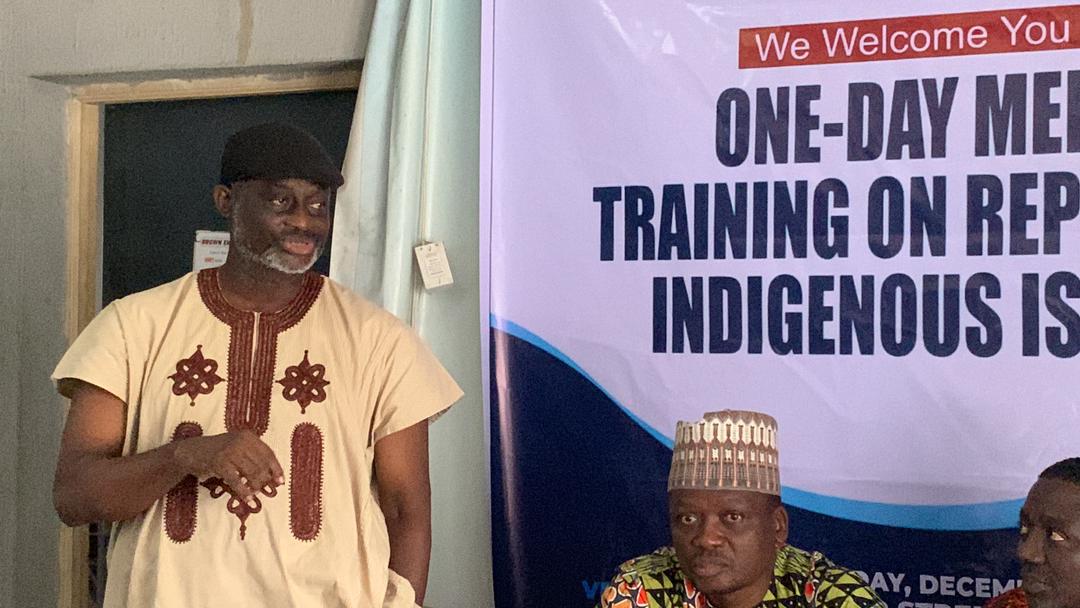
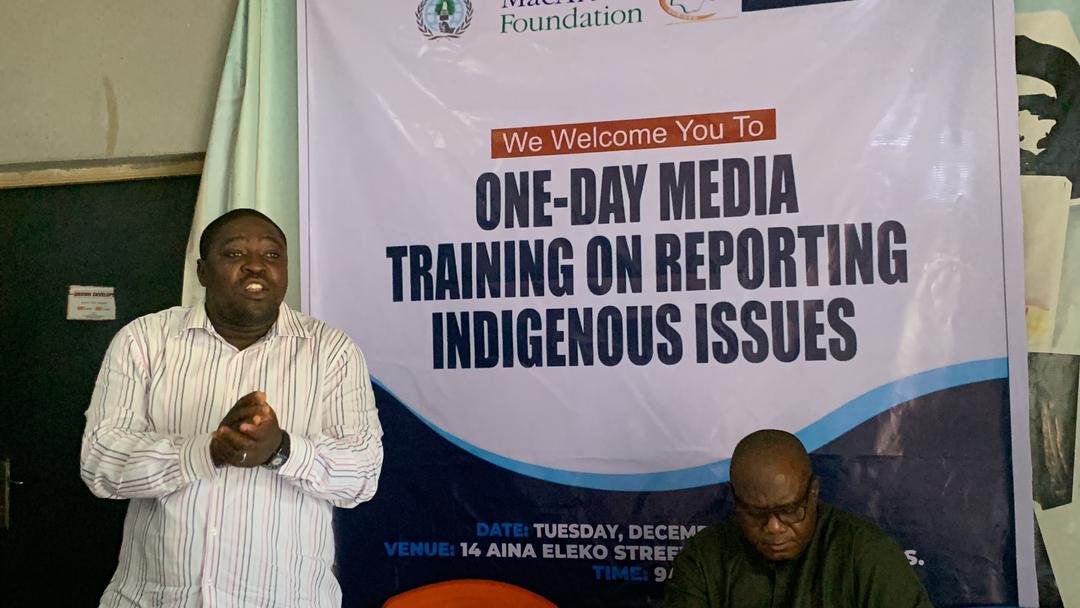
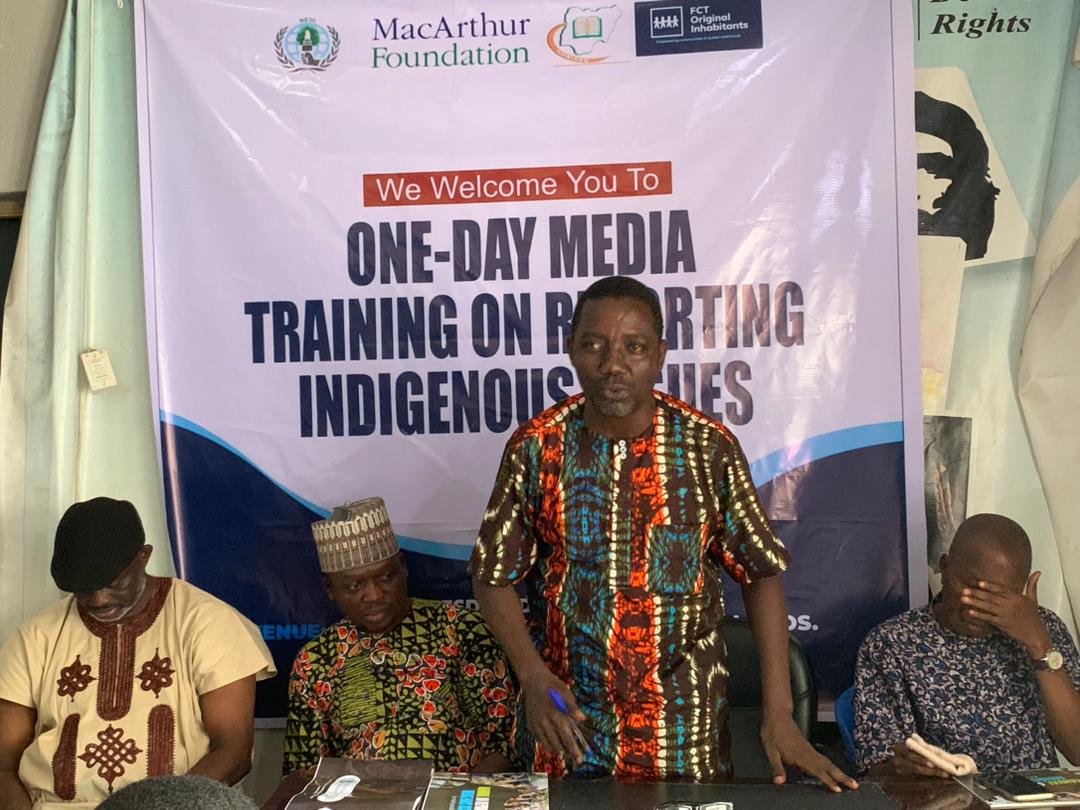
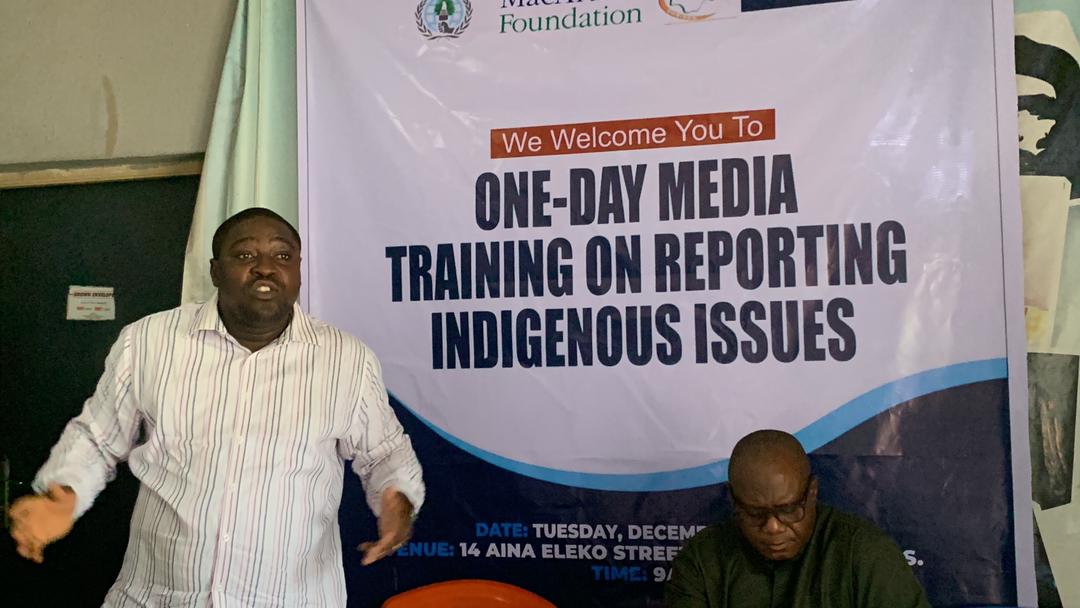
At least 35 journalists on Tuesday attended a one-day training aimed at strengthening media coverage of indigenous issues in Nigeria, with particular focus on the Abuja Original Inhabitants (AOIs).
The workshop was organised by the Network of Journalists on Indigenous Issues (NEJII) with support from the MacArthur Foundation and the Resource Centre for Human Rights and Civic Education (CHRICED).
The training sought to deepen journalists’ understanding of the struggles, rights and aspirations of indigenous peoples whose livelihoods and heritage continue to face threats.
In his opening remarks, Adewale Adeoye, former head of the investigation desk at The Punch, said the training was designed to help journalists contribute to peacebuilding and conflict prevention.
Advertisement
He explained that Abuja was created in 1976 through a military decree, displacing more than three million indigenous people whose families had occupied the area for centuries.
“In recent years, their ancestral lands have been taken over by the Army and the Navy, forcing many to relocate, sometimes living as refugees in their homeland,” Adeoye said.
He warned that the marginalisation of the AOIs mirrors early signs of crises seen in other parts of the country.
Advertisement
“We should not wait for a repeat of the Niger Delta uprising before we listen to their demands,” he added.
Adeoye noted that Abuja natives remain key stakeholders in national stability because the federal capital territory is their ancestral home.
He urged journalists to ensure responsible coverage that elevates the concerns of indigenous groups and bridges the communication gap between them and policymakers.
Also commenting on issue, the Adewale Busari of Silverbird Television said the relocation of the FCT from Lagos to Abuja did not take into consideration the impact it would have on the people whose heritage was compromised.
Advertisement
He added that Nigeria’s democratic system now offers an opportunity to address historical injustices long ignored.
Some of the key expectations of the AOIs highlighted at the training include recognition of their rights as indigenous people of the FCT; creation of an Abuja State to strengthen their political and economic representation; free, prior and informed consent in decisions involving the use of resources on their ancestral land; special job opportunity considerations for AOIs within the FCT.
Others are domestication of ILO Convention 169 and the UN Declaration on the Rights of Indigenous Peoples (UNDRIP); establishment of a presidential panel to investigate cases of unpaid compensation, displacement and destruction of ancestral sites; a national compensation programme addressing dispossession dating back to 1976.
Advertisement
Advertisement
Advertisement
Advertisement