BY NOSA OSAIKHUIWU
There is no denying the fact that Nigeria is a nation grappling with a multitude of challenges—ranging from decaying infrastructure and poor maintenance culture to corruption, institutional inefficiency, and weak governance. Yet, among these many crises lies one that remains dangerously underappreciated: Nigeria’s looming water crisis.
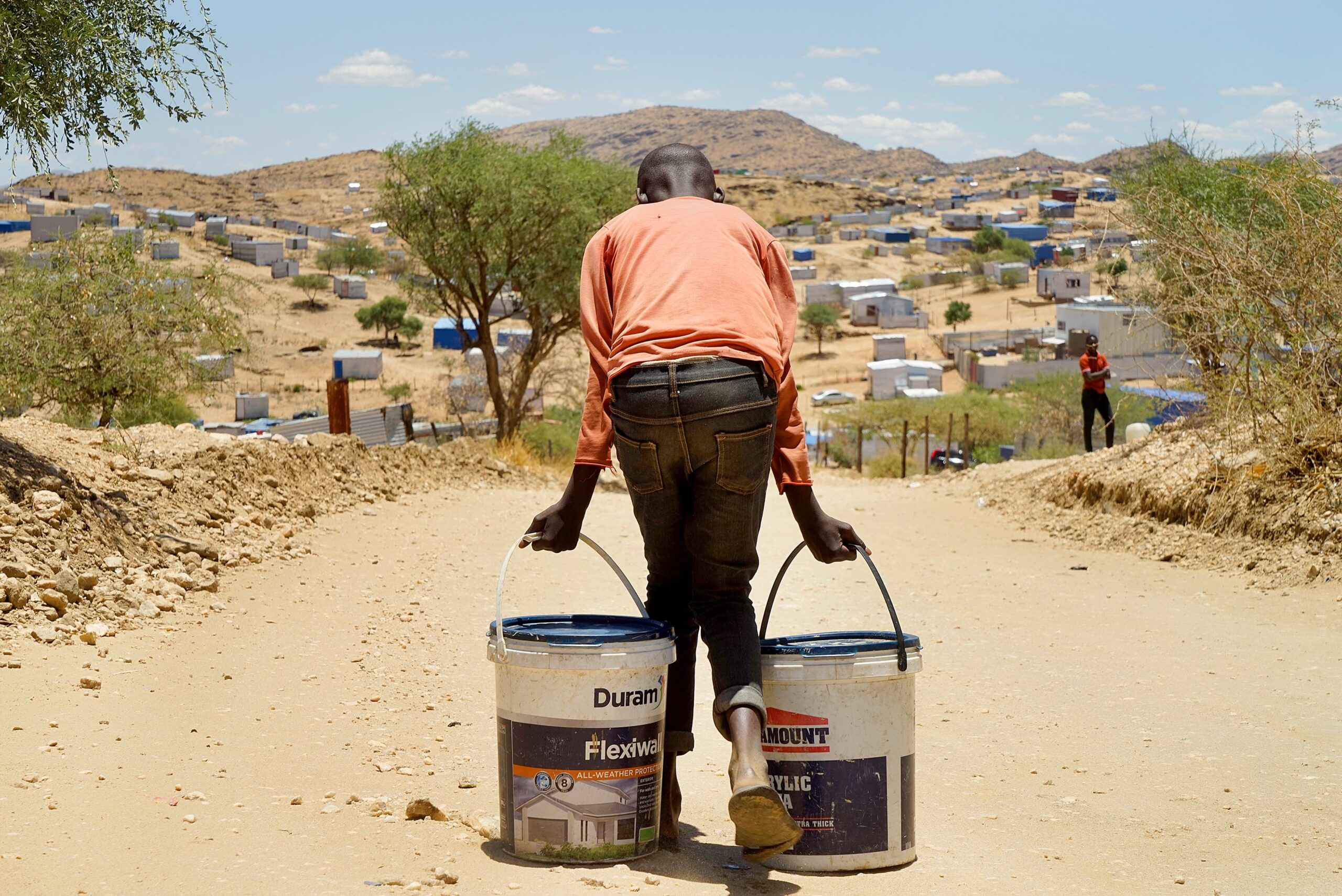
Across the country, the public pipe-borne water system has virtually collapsed. What once served as a lifeline for urban and rural communities alike has been rendered dysfunctional by decades of neglect, mismanagement, and lack of political will, that today it is now a shell of itself. In response, Nigerians left with little choice, have turned to self-help solutions: drilling boreholes and digging wells to meet domestic and commercial water needs.
Ordinarily, this adaptive response would be understandable. When government fails, people innovate to survive. However, the problem does not end there. A dangerous national mindset has emerged—one that assumes water is limitless simply because it flows freely from a borehole tap.
Advertisement
This assumption is not only false; it is perilous.
Water Is a Finite Resource
While water may appear abundant, it is not infinite. Many nations around the world are already confronting severe water scarcity. In parts of the United States—such as California and Arizona—water shortages have forced governments to ration supply, import water from other states, and enforce strict conservation measures. These regions understand a fundamental truth: water is a finite and strategic resource.
Advertisement
Countries like Israel and Australia, faced with chronic water shortages, have invested heavily in desalination technology—processing seawater to make it fit for human use. Beyond this, they have built advanced water recycling systems where wastewater is treated and reused for agriculture, industry, and even domestic purposes. These societies recognize that no nation can survive, let alone thrive, without sustainable access to water.
Nigeria, unfortunately, is moving in the opposite direction.
A Culture of Waste and Absence of Regulation
Today, it is common to see water pumps left running long after storage tanks are full—water spilling endlessly onto the ground with no sense of accountability. Because water appears “free,” it is treated carelessly. There is no regulation, no metering, no incentive to conserve, and no public education on responsible usage.
Advertisement
The unchecked drilling of boreholes compounds the problem. Excessive tapping of underground aquifers can lead to serious environmental consequences, including land subsidence, ground instability, and—in certain geological conditions—earth tremors or sinkholes. What seems like a short-term solution could create long-term ecological disasters.
Population Growth and Future Risk
Nigeria’s population continues to grow rapidly, as do housing developments and urban expansion. With every new building drilling its own borehole, pressure on underground water reserves intensifies. If this trend continues unchecked, a time will come, sooner than expected, when aquifers can no longer meet national demand.
When that moment arrives, the consequences will be devastating.
Advertisement
What Must Be Done: Policy Recommendations
To avert this impending disaster, immediate government intervention is essential. The following measures are critical:
Advertisement
Licensing and Regulation of Boreholes
Government must require licensing for all borehole drilling activities, with strict environmental and technical standards.
Advertisement
Community-Based Water Infrastructure
New housing estates and subdivisions should be required to install centralized water systems managed by local water authorities, rather than individual boreholes for every household.
Advertisement
Controlled Distribution Systems
Water should be pumped to homes on a regulated schedule, ensuring equitable access while minimizing waste.
Water Metering and Usage Limits
While regulations are always very helpful the most important aspect is the change of mindset or culture change to ensure that society embraces conservation as a policy.
Furthermore, it is time for government to commit to a wastewater management system that will integrate wastes and wastewater from each communities into a regional pool from recycling and treatment.
These recommendations are not absolutes, but they will put Nigeria back on the right path with judicious management and use of this indispensable resource.
Nosa Osaikhuiwu can be contacted via [email protected]
Views expressed by contributors are strictly personal and not of TheCable.