The Nigeria Social Insurance Trust Fund (NSITF) has backed the proposed Nigeria Social Security Trust Fund Bill, 2025, saying it will strengthen the country’s social protection system.
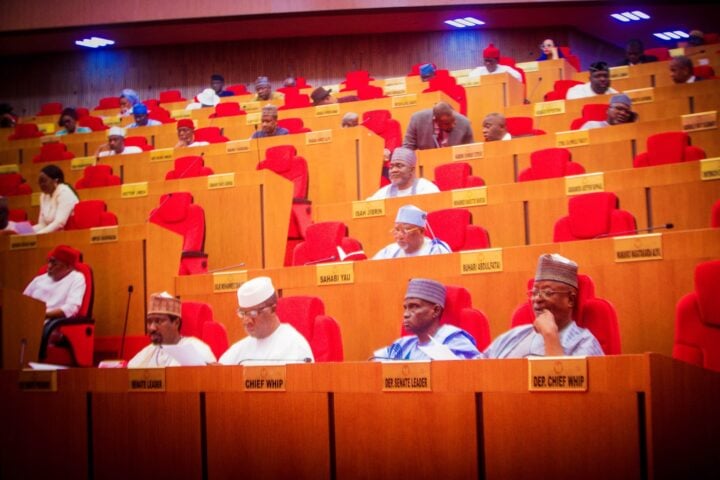
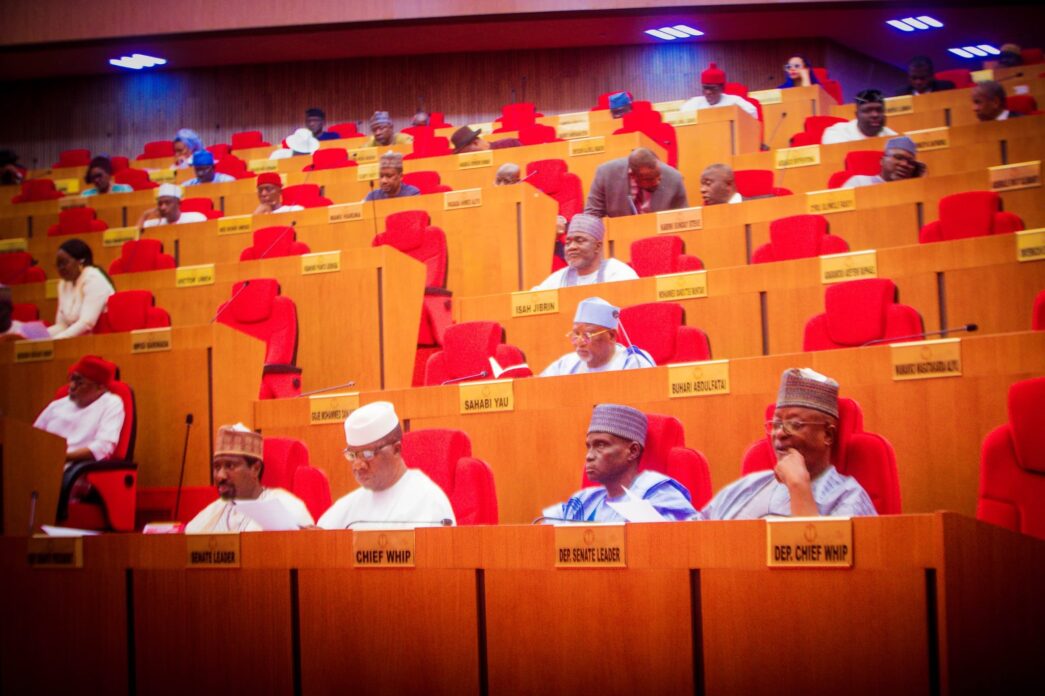
On October 21, the senate passed for second reading the bill that proposes the consolidation of the NSITF Act and the Employees’ Compensation Act (ECA) into a single law.
In a memorandum presented to the senate committee on labour and employment during its public hearing on the bill at the national assembly on Monday, Oluwaseun Faleye, managing director and chief executive of the NSITF, said the legislation marks a decisive step towards modernising Nigeria’s social security framework in line with global standards.
He cited the International Labour Organisation Social Security (Minimum Standards) Convention, 1952 (No. 102) and the Tripartite Consultation Convention, 1976 (No. 144) as benchmarks for the reform.
Advertisement
The NSITF boss said the legislation would help reposition the fund after years of structural constraints arising from overlaps between the existing NSITF Act and the ECA 2010.
“One of the most significant elements of the bill is the repeal of both the NSITF Act of 1993 and the ECA 2010,” he said.
Faleye noted that their co-existence had resulted in operational ambiguities, particularly after the Pension Reform Act 2014 transferred contributory pension functions from NSITF to the National Pension Commission.
Advertisement
“The consolidation of the two Acts into a single, coherent statute is timely, necessary, and commendable. It eliminates duplication, resolves conflicts, and strengthens the legal framework of the fund,” he added.
Faleye also applauded the proposed change of name to the Nigeria Social Security Trust Fund, dropping the term “insurance”, which, he said, had hindered acceptance of the employees’ compensation scheme in some cultural environments.
Faleye described the bill’s expansion of social security coverage to include informal sector workers and self-employed persons as a “historic step” towards inclusive protection for all categories of working Nigerians.
Other provisions commended by the fund include electronic submission of claims to reduce delays, recognition of multiple spouses and dependants in line with local customs, creation of trust accounts for minors, and the inclusion of traditional medical practitioners in the treatment process for injured workers.
Advertisement
He further commended provisions allowing the board to periodically update occupational disease schedules, enforce stricter workplace safety standards, impose penalties for failure to report workplace accidents, and invest in real estate as a new asset class.
The bill’s protection of the fund from any form of external deductions was also commended as a safeguard against the diversion of social security resources.
Despite broad support, NSITF raised concerns about what it described as the “misapplication” of the term board throughout the document.
Faleye warned that using the word to refer simultaneously to governance, oversight, and day-to-day administrative functions could create confusion and weaken accountability.
Advertisement
“The board meets quarterly, while daily operations are under the managing director,” he said.
“The bill must distinguish clearly between the governing board as oversight body, management as administrators, and the agency as the implementing institution.”
Advertisement
He recommended that the bill adopt clearer definitions similar to those used in the Federal Inland Revenue Service Act, where the board’s role is separated from that of the executive chairman, who functions as the chief executive and accounting officer.
Faleye reaffirmed NSITF’s full support for the passage of the bill, describing it as “progressive, timely, and aligned with global best practices”.
Advertisement
He assured the senate committee that the fund remains ready to provide any technical assistance required as lawmakers finalise work on the legislation.
“The proposed Act strengthens the foundation of social protection in Nigeria and enhances the welfare, safety and dignity of Nigerian workers,” he said.
Advertisement
The public hearing drew stakeholders from organised labour, employer groups, ministries, and civil society.