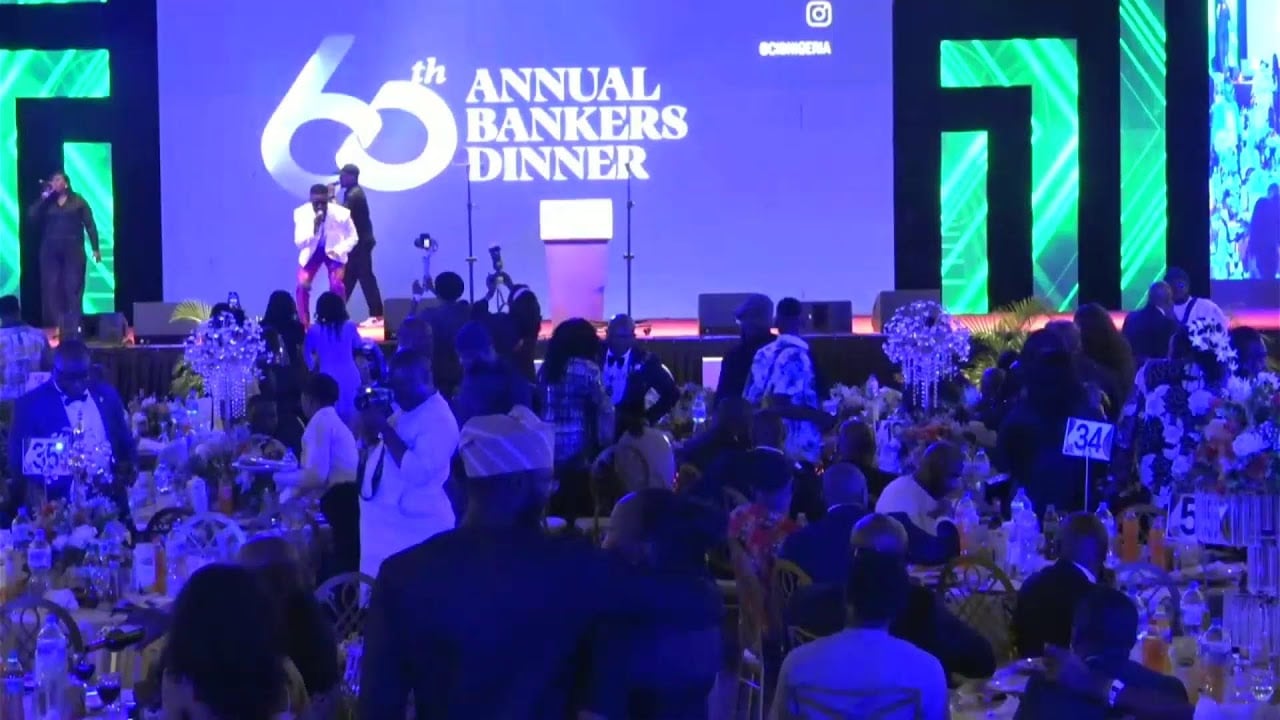
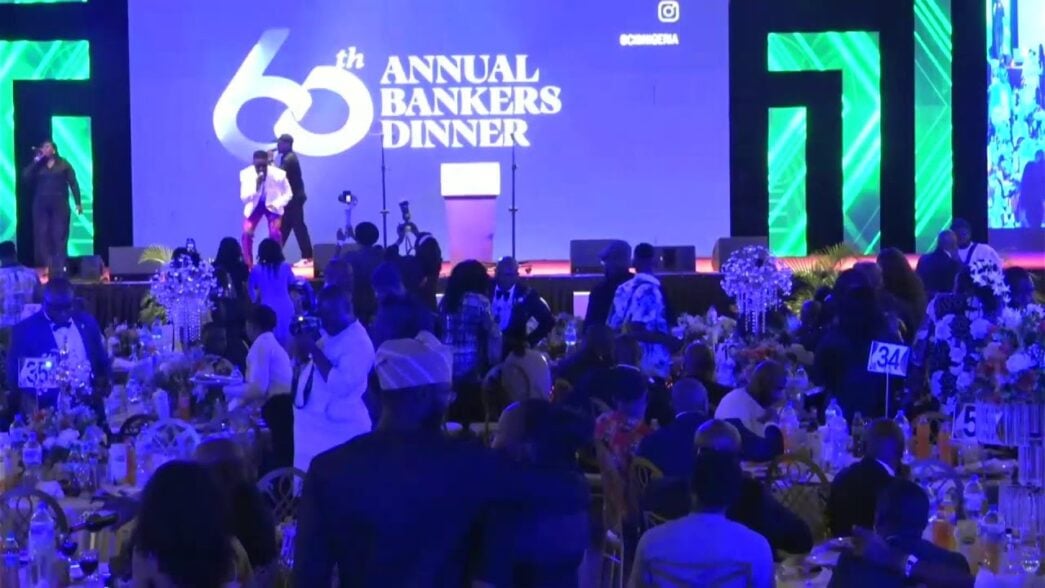
The annual dinner of the Chartered Institute of Bankers is one of the most enduring events in Nigeria’s corporate calendar. It brings together industry chiefs and senior bankers in a convivial atmosphere and provides the monetary authorities opportunity to make a few pronouncements or give a hint at some impending policy formulations.
It is, therefore, a must-attend event for an enterprising journalist on the finance beat. The 2025 annual bankers’ dinner took place in Lagos on Friday, and as is traditional, the Governor of the Central Bank attended and gave the keynote speech. It was the dinner’s 60th anniversary, and so the mood was quite celebratory. Gov. Babajide Sanwo-Olu of Lagos also attended and gave a speech, but it was Yemi Cardoso’s 14-page speech that kept everybody attentive. It contained a swath of major developments in the industry, ranging from inflationary trends, developments in the FX market, updates on banks’ recapitalisation and the outlook for the future.
Cardoso announced that with just four months to the conclusion of the recapitalisation exercise, 27 banks have raised capital through public offers and rights issues and 16 of them have already met or exceeded the new requirements (N500 billion for international banks, N200 billion for regional and N50 billion for non-interest banks). It’s a clear testament to the depth, resilience and capacity of the banking sector and a demonstration of the versatility of the capital market. Within the year, the soundness of the banking industry was also confirmed by several stress-testing exercises conducted by the CBN. ‘’Key financial soundness indicators overwhelmingly satisfied prudential benchmarks during the year,” Cardoso said. Such indicators are encapsulated in the acronym CAMEL (capital adequacy, assets, management capability, earnings, liquidity and sensitivity).
The governor also talked about CBN’s actions on regulatory forbearance during the year, in which some banks that had flouted the single obligor limits were barred from paying dividends until the problems were addressed. He said the CBN is redesigning the credit-risk framework to enforce greater governance, transparency and firmer accountability across the sector.
Advertisement
Another achievement recorded during the year is Nigeria’s exit from the Financial Action Task Force (FATF) grey list. The milestone was the result of a coordinated national effort led by the federal government, with contributions from the Justice Ministry, CBN, NFIU, EFCC and others. FATF is an intergovernmental body that sets standards and promotes effective implementation of legal, regulatory and operational measures to combat money laundering, terrorist financing and other threats to the integrity of the international financial system.
A country ends up on the FATF list due to weaknesses in its anti-money laundering (AML) and counter-terrorist financing (CFT) frameworks. THE FATF identifies countries with strategic deficiencies in these areas and places them on either the ‘’grey list’’ or ‘’black list’’. Nigeria was on the grey list, which means it had committed to addressing its AML/CFT challenges and was actively working with FATF to implement reforms to strengthen its financial systems and adhere to international standards. Nigeria’s grey-listing carried a high cost. Any country on this list typically suffers a 7.6% of GDP drop in capital inflows in the first year, and for Nigeria, that translates to more than $30 billion in potential investments. The exit of Nigeria from the grey list was, therefore, a major milestone during the year.
In terms of economic performance, GDP growth and a drop in inflation dominated headlines in the course of the year. GDP grew by 4.23% in Q2 – the strongest pace in four years, driven by telecoms, financial services and improved oil production, while inflation fell from a peak of 34.6% in November 2024 to 16.05% in November 2025. Food inflation, the largest single component of the basket, dropped to 13.2% in October, down from 16.87% in September and 21.87% in August. In the external front, some successes were also recorded. Current account balances rose by over 85% to $5.28 billion in Q2, up from $2.85 billion in Q1. Foreign reserves reached $46.7 billion by mid-November, the highest in nearly seven years. Foreign capital inflows reached $20.98 billion in the first 10 months of 2025, a 70% jump over total inflows for 2024 and a 428% surge over $3.9 billion recorded in 2023.
Advertisement
Outside the banking system, the capital market also recorded significant accomplishments. Effective last Friday, the market officially commenced a T+2 settlement cycle under which all equity transactions will now settle two business days after the trade date – an improvement from the three-day settlement cycle. It is a significant improvement that will lead to a more efficient, transparent and globally competitive market. Traders, analysts and other operators believe that this transition is part of industry-wide reforms designed to enhance settlement speed, strengthen post-trade processes and improve overall investor confidence.
To the majority of Nigerians, the cheery news in Cardoso’s report card would sound like a strange tale. The severe security challenges have been a horrendous experience. It was, however, touching that the governor acknowledged these problems and sent his condolences to those affected. In the next year, the monetary authorities hope to focus on six key areas: strengthen the banking system; deliver price stability; modernise payments and promote financial inclusion; build institutional capacity and deepen partnerships and leadership, and hopefully, the governor will be around to give his scorecard at the 61st dinner.
Views expressed by contributors are strictly personal and not of TheCable.