Advertisement
Advertisement

Reps propose six-year tenure for CBN governor, ban on foreign currency in local transactions

Reps to probe abandoned $35m modular refinery in Bayelsa Reps to probe abandoned $35m modular refinery in Bayelsa
House of reps

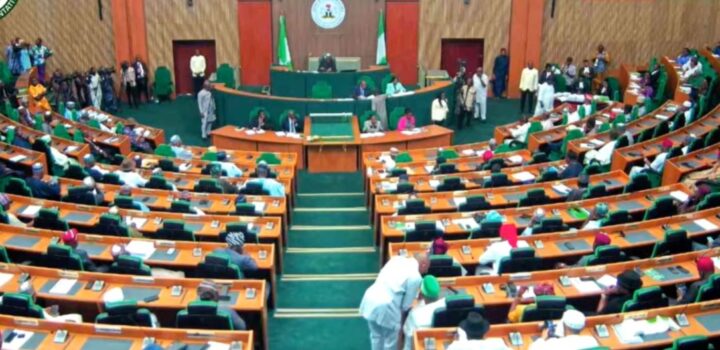
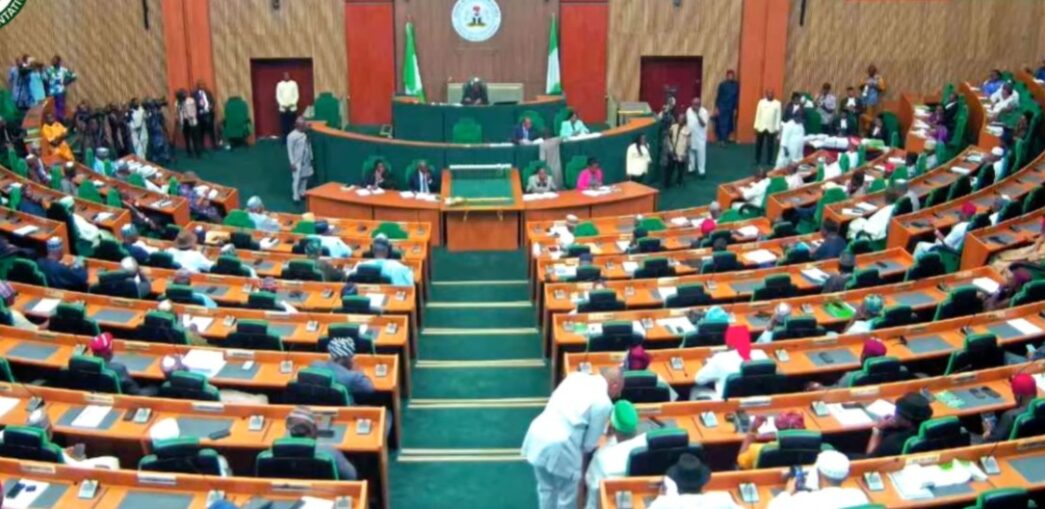
A bill proposing a single, non-renewable six-year tenure for the governor and deputy governors of the Central Bank of Nigeria (CBN) scaled second reading at the  house of representatives on Thursday.

Section 8(2) of the CBN Act 2007 provides for a five-year tenure for the governor and deputy governors of the apex bank, who  are also eligible for re-appointment for another five-year term.

KEY PROPOSALS 

The proposed legislation also seeks to unify the exchange rate and prohibit the use of foreign currency for domestic transactions except through authorised channels.


Sponsored by Jesse Okey-Joe Onuakalusi, the lawmaker representing Oshodi/Isolo federal constituency; and Julius Ihonvbere, the majority leader; the bill aims to modernise CBN operations, strengthen oversight, and align the bank’s corporate governance with global standards.

Advertisement

The bill intends to separate the roles of governor and board chairman to avoid concentration of power and ensure proper professional oversight.

It seeks to restrict Ways and Means advances to 10 percent of the previous year’s actual revenue to prevent fiscal abuse and inflationary financing.

The draft law aims to require the CBN governor to provide 90 days’ notice, an impact assessment, and a national assembly briefing before any currency redesign or demonetisation.

Advertisement

The amendment seeks to strengthen financial stability oversight through macro-prudential tools and regular stress tests, reform the monetary policy committee (MPC) by adding independent external experts to improve decision-making, and enhance transparency through quarterly publications on monetary policy decisions, economic forecasts, and financial stability indicators.

The push for a single, non-renewable six-year tenure for the CBN governor follows controversies that trailed Godwin Emefiele’s tenure, during which he allegedly nursed a presidential ambition while in office.

A few months before the general election, the apex bank under Emefiele carried out a controversial naira redesign intended to curb corruption and improve cash management.

However, the exercise triggered severe cash shortages, disrupting businesses, trade, and daily life across the country.

Advertisement

THE DEBATE 

Leading the debate during Thursday’s plenary, Onuakalusi described the proposals as “structural and forward-looking reforms” designed to protect the Nigerian economy, restore confidence in monetary policy, enhance accountability, and ensure that the CBN remains strong, transparent, and professionally managed.

He said the bill imposes a clear ban on the CBN governor and his deputies from engaging in partisan politics.

“The central bank is the heart of our financial system, yet certain provisions of the current Act no longer meet today’s governance and monetary policy realities,” he said.

Advertisement

“The Central Bank of Nigeria is too critical an institution to operate under a framework that no longer reflects Nigeria’s economic realities or international best practices.

“This bill is not targeted at any individual or administration. It is a structural reform for economic stability, transparency, accountability, and sustainable governance.”

Advertisement

Lawmakers unanimously voted in support of the bill when Benjamin Kalu, the deputy speaker, called for a voice vote.

In February 2024, a bill seeking to limit the tenure of the governor and deputy governors of the CBN to a single non-renewable term of six years, scaled second reading at the senate.

Advertisement

error: Content is protected from copying.