BY TIMI OLAGUNJU
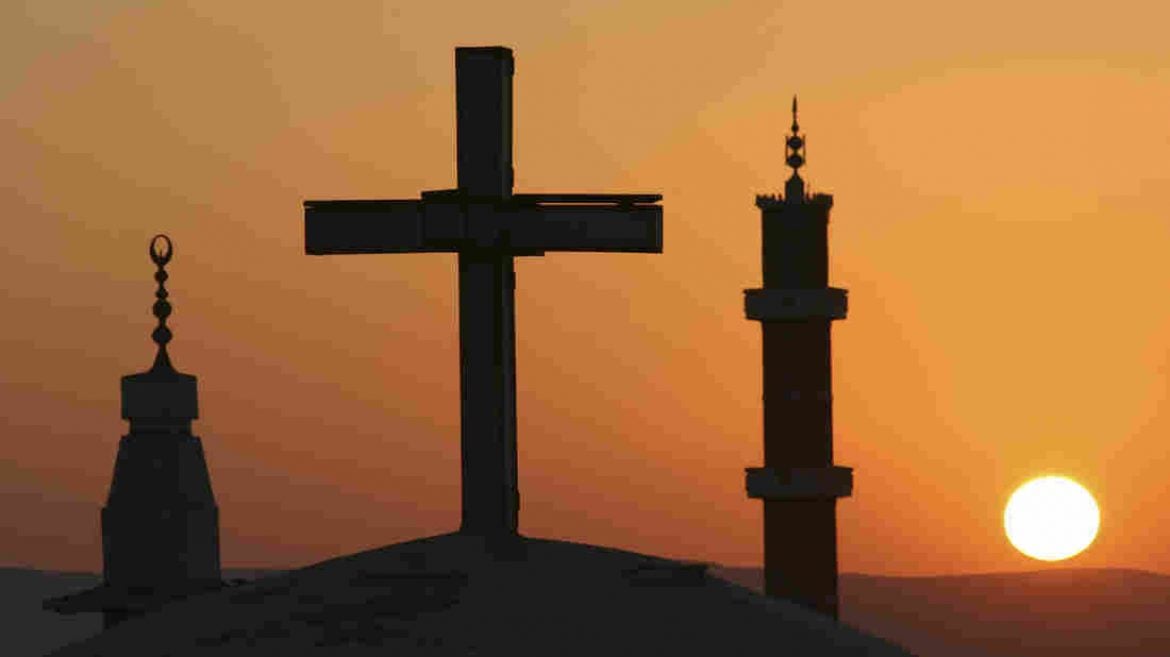
Across Nigeria’s highways and farm paths, in markets and dormitories, and even in churches and mosques, faith has become a weapon.
The line between devotion and destruction has grown perilously thin. Religious violence here is not new; what is new is how ordinary it has become, how mobs and gunmen now mistake murder for virtue, and how too many officials, clerics and citizens respond with silence or sympathy.
Nigeria is living inside a moral code that blesses what it should condemn.
Advertisement
The problem is not law or logistics. It is belief — the mindset that decides what a people reward, excuse and transmit. The insurgency that bleeds Nigeria endures because it is fed by an ideology falsely presented as theology. Until that code changes, no budget or military alliance will hold.
I first glimpsed that code 15 years ago as a young corps member in Kabba, Kogi state. During a debate about Boko Haram at the camp, I argued that terrorists should be arrested and prosecuted, not negotiated with. That night, more than a dozen fellow corps members, educated young Nigerians mostly from the North, pulled me aside and whispered: “Boko Haram is fighting for a cause, and it is difficult for a non-Muslim to understand; be careful.”
They were not killers; they were believers, believers in the righteousness of those who kill. That moment stayed with me because it showed how deeply fanaticism had found its way into the bloodstream, how easily education could bend to “ideology.”
Advertisement
Since then, I have seen what that belief births. My friend, the late Precious Emeka Chinedu, was taken from his clinic in Niger State and killed in 2021. No ransom, no charge, only a difference of faith. His death, like Deborah Samuel’s lynching for alleged blasphemy, and thousands more, exposed a sickness: a society that seeks spiritual cover for actions that are morally and religiously indefensible, where conscience is outsourced to mobs and terrorists and impunity becomes the state’s unofficial policy.
Meanwhile, Islam, like Christianity, forbids the killing of innocents. No Scripture licenses mob justice. Terrorism is not religion; it is criminality.
How does this code survive? Four engines keep it running: Legitimacy, money, protection and amplification.
Legitimacy grows when leaders dodge clear condemnation, when officials call terrorists “bandits” or “herdsmen,” and when clerics preach that killers are merely “passionate” or “misguided.” Each euphemism launders blood.
Advertisement
Money fuels the system through ransom, illegal mining and the quiet “security taxes” families pay to live, travel or farm.
Protection thrives in the shadows; files vanish, trials stall, perpetrators find patrons in high office.
Amplification spreads through pulpits, social media and local radio, turning murderers into folk heroes and victims into footnotes.
In Kaduna, Jos, Taraba, Benue, Sokoto — across Nigeria — both churches and mosques have tasted sorrow. This violence is national, not sectional. The complicity runs deep. There are the active enablers: Clerics who glorify vengeance, politicians who shield killers, law enforcement officers who look away. There are the passive: Neighbors and officers who stay silent because speaking costs too much. And there are the instrumental: Those who gain from religious alignment, who treat piety as a passport to power or profit. Each category feeds the other until moral decay becomes religion and violence begins to feel inevitable.
Advertisement
But it is not inevitable. Nothing will change until Nigeria stops romanticising its killers. The more we speak of them as “those fighting for a cause,” “aggrieved parties” or “our people,” the more violence is rebranded as grievance and radical ideology as misunderstanding. Every phrase that softens the crime sanctifies it.
Terrorism endures not because of the strength of the terrorists, but because of the weakness of our collective conviction.
Advertisement
Religious leaders must reclaim the narrative. Let sermons say clearly: Killing in the name of God is rebellion against God. The cure begins with clarity. No government can claim legitimacy while excusing impunity. That message must echo from the pulpit to the classroom, from the checkpoint to the courthouse.
Sermons must preach that vigilantism and killing for religion is a sin. Schools must teach civic-religious literacy and draw the line between faith and fanaticism. State officials and media must refuse to romanticise “negotiators” and deny microphones to those who bless blood or empathise with it. Justice must not only be done, it must be seen to be done.
Advertisement
Yes, the state must fight with force. But force without moral clarity only breeds the next insurgent. Clerics, both Muslim and Christian, also must confront their own ranks. The majority of Nigeria’s faithful are peaceful, but too many pulpits tolerate ambiguity. Name and isolate the wolves in your midst. Proclaim that the killing of innocents, whether in Sokoto, Benue or Kaduna, is not martyrdom but murder.
Change will not come from foreign intervention. Others can name the disease, but only Nigerians can cure it. Our federal and state governments must choose between appeasing extremists and protecting citizens, between convenience and conscience. Peace will not come to Nigeria through foreign sympathy, aid or imported solutions. It will come from within.
Advertisement
A society cannot outsource conscience to soldiers. It must rewrite its own code — what is believed, rewarded, excused and transmitted. That is the only firewall strong enough to contain the next insurgent. Until then, terrorism will keep finding new hands, new justifications, new names for old evils. And the darkness we refuse to name will keep calling itself light.
Timi Olagunju is a Public Voices Fellow of The OpEd Project on technology in the public interest. He is a lawyer and public policy expert working at the intersection of tech, governance and development. He is founder of AI Literacy Foundation; a 2021 Berkman Klein research-sprint alumnus; a Mason Fellow, Harvard University; an Internet Society Fellow; and has advised governments, multinationals and institutions. Follow him on X @timithelaw.
Views expressed by contributors are strictly personal and not of TheCable.