BY OSENI OULWATOBI
I got back from church and had four of my friends visiting. They wanted my signature semovita and egusi soup. Naturally, I had to bring out the Yoruba man in me. I made semolina, wrapped it in soft, clear nylon, and put it in a cooler to keep it warm. I dished the egusi soup into plastic takeaway plates so they could take some home and reheat it later. It was a familiar process I had done a hundred times over, effortless, almost automatic. But after they left and I stood alone in the kitchen, thinking of used nylon and plastic containers, a quiet discomfort crept in. I began to wonder how much plastic I had used in just one evening and over my lifetime, and what that meant for my health.
In Nigeria, plastic is not just convenience, it is culture. Nylon wraps our food, carries our water, stores our soup, lines our markets, and preserves leftovers. We put steaming rice, hot swallow, and oily soups straight into plastic without hesitation. It feels harmless because it is normal. Plastic works well in a country where power is unstable, refrigeration is unreliable, and food must be preserved creatively. Over time, it has blended so seamlessly into daily life that we no longer see it. But invisibility does not mean safety.
The uncomfortable truth is that much of the plastic used in Nigeria is older generation plastic. These are materials produced using legacy polymer technologies that have been restricted or heavily regulated elsewhere. Many food containers, nylons, and takeaway plates are made from low-grade polyethene, PVC, or polystyrene, often mixed with chemical additives to make them flexible or cheap. These additives include phthalates, bisphenols, and sometimes heavy metals. They are not chemically locked into the plastic. They migrate, especially in the heat. That water tank under the sun heats up, cools down 365 days a year. The plastics of even “pure water”.
Advertisement
Heat is the real problem. When hot semovita is wrapped in nylon or hot egusi soup is poured into plastic, heat increases molecular movement within the plastic, allowing chemicals to leach into the food. Fatty foods like egusi are especially vulnerable because oil easily absorbs these compounds. Reheating food in plastic makes it worse, breaking down the container at a microscopic level and releasing microplastics and nanoplastics that the human body cannot easily expel.
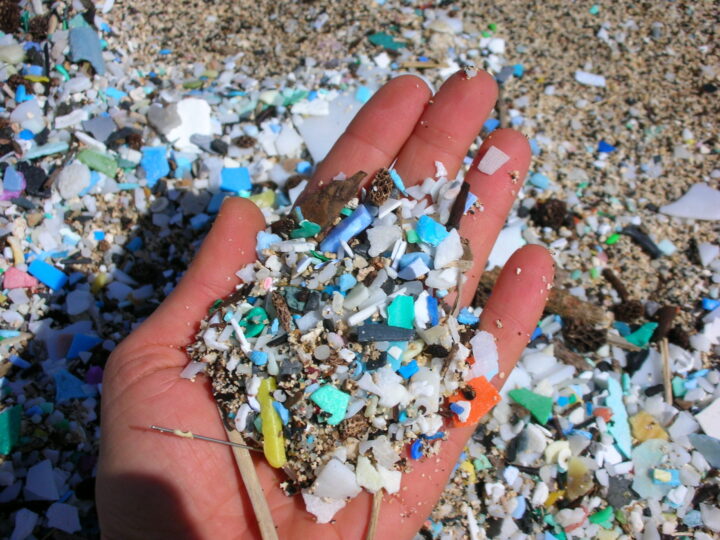
In recent years, science has confirmed what once sounded like fearmongering. Microplastics have been found in human blood, urine, lungs, breast milk, and even placentas. This means exposure starts before birth. These particles are not inert. They cause inflammation, disrupt hormones, and act as carriers for toxic chemicals.
Phthalates interfere with reproductive hormones. Bisphenols are linked to metabolic disorders and cardiovascular disease. The danger is accumulation.
Advertisement
Nigeria is especially vulnerable. Weak regulation allows imported plastics of uncertain quality to flood the market. Informal recycling melts mixed plastic waste into new food containers, concentrating toxins in the process. High ambient temperatures stress plastics even before use. Most importantly, public conversation frames plastic as an environmental nuisance rather than a health risk. So behaviour remains unchanged.
Plastic has solved real problems and will not disappear overnight. But awareness matters. Simple changes like avoiding reheating food in plastic, letting hot food cool before packaging, and using glass, ceramic, or stainless steel where possible can reduce exposure. On a larger scale, Nigeria needs enforceable food-grade plastic standards and public education that treats plastic as a health issue, not just a waste problem.
I will still make semovita and egusi for my friends. Hospitality is part of who we are. But I will think more carefully about what I serve it in. Progress is not only about what we adopt, but what we learn to question. Plastic gave us convenience. Now it demands consciousness.
Oseni Oluwatobi can be contacted via [email protected]
Advertisement
Views expressed by contributors are strictly personal and not of TheCable.