


BY MICHAEL LEKAN ODUNLAMI
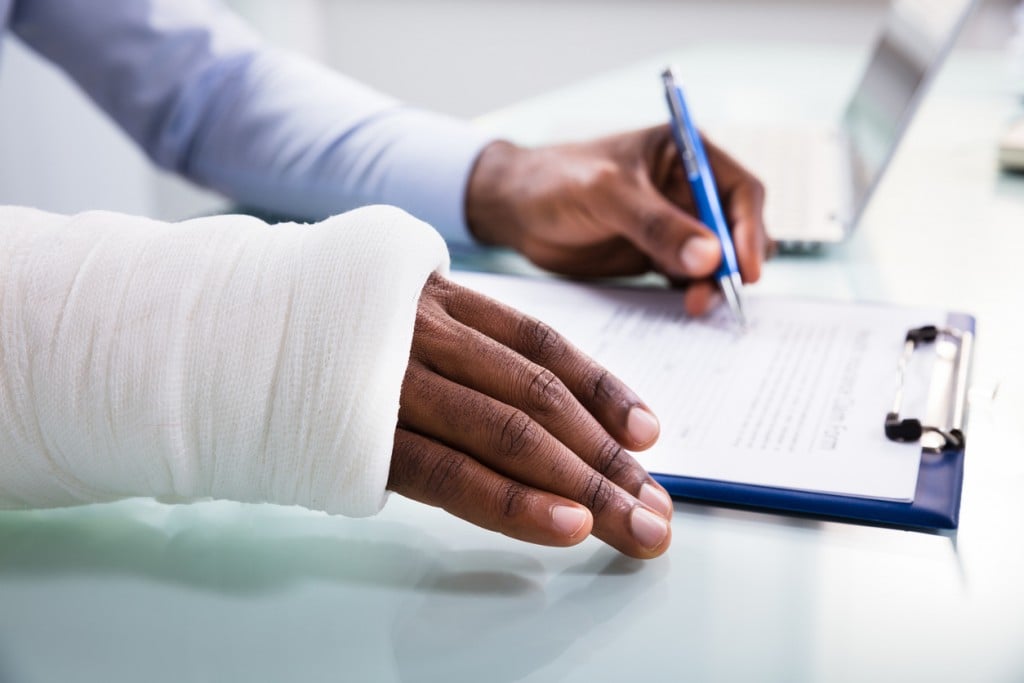
In a lot of Nigerian workplaces, injuries don’t always happen because of broken machines or unsafe conditions. A careless coworker can sometimes hurt someone else. This is what is called co-worker negligence. It just means that one worker hurt another because they did something unsafe or didn’t do something they were supposed to do. Many workers think they can’t make a claim if a coworker caused the injury, but that’s not true. Nigerian law still says that employers are responsible for keeping their employees safe, even if they are hurt by other employees.
Trust is what makes the workplace work. Every worker depends on the others to follow safety rules, whether they are at a construction site, a factory, a farm, a hotel, or a hospital. When one person breaks these rules, which can happen in just a few seconds, it can cause serious injury. There are many ways that co-workers can be careless, such as not following safety rules, not warning others about dangers, or playing roughly around machines. These things can hurt a lot, like breaking bones, getting burned, getting deep cuts, losing limbs, getting hurt in the head, and becoming disabled for a long time. But a lot of the workers who are affected don’t know that the law protects them and lets them ask for money.
Nigerian courts still use the well-known case Wilson & Clyde Coal Co v. English (1938) to decide what the law says about this issue. In that case, a miner named Mr. English hurt himself while walking down a passageway underground. Another worker let go of a haulage system full of coal tubs without warning, and the tubs hit Mr. English, hurting him badly. The employer said that the company shouldn’t be responsible because the accident was caused by a mistake made by another worker. The House of Lords said no to that argument and made an important decision. They said that an employer has a duty that cannot be passed on to others to provide safe equipment, trained staff, and a safe way to work. This means that an employer can’t get out of being responsible by blaming one worker for hurting another. The employer is always responsible for the duty of care.
Advertisement
This rule also works in Nigeria. Employers must make sure that their workers are trained, watched over, and given safe ways to do their jobs. The employer is still responsible if a coworker hurts someone by being careless. The employer made the workplace and is responsible for keeping it safe. The law holds the employer responsible if they don’t provide safety measures.
Think about the story of Chinedu and the cement mixer in Awka to get an idea of how this works in Nigeria. Chinedu was 28 years old and worked as a construction worker for a contractor in the area. Every day, the team used a big cement mixer, and everyone knew the safety rule: don’t overload the mixer. If you overload it, the machine could jerk around a lot. Chinedu stepped aside for a moment to get water one morning while the workers were rushing to meet a tight deadline. Kunle, his coworker, was feeling rushed and dumped a whole headpan of sand into the mixer all at once. He didn’t wait for help or do things the right way. The mixer suddenly jumped forward and hit Chinedu, knocking him to the ground. His leg got stuck under the spinning drum. He broke his tibia and had deep cuts, and he spent weeks getting treatment at Chukwuemeka Odumegwu Ojukwu Teaching Hospital. He couldn’t work while he was getting better, so he lost two months’ worth of pay.
When Chinedu asked the site supervisor if the company would pay for his medical bills, he was told to “settle it with your fellow worker,” as if the employer wasn’t responsible because Kunle had been careless. But the law doesn’t help the employer. The employer can’t blame a coworker for what happened, just like in Wilson & Clyde Coal Co. v. English. The construction site had dangerous equipment, but the company didn’t follow safety rules, didn’t properly supervise the workers, and didn’t hire a trained safety officer. Because of these mistakes, the employer broke their duty of care. Later on, Chinedu filed a personal injury claim and got money for his hospital bills, transportation costs, lost wages, pain and suffering, and the long-term effects of the injury. Not Kunle, but the employer paid the compensation.
Advertisement
Chinedu’s story is similar to what many Nigerian workers go through. People often write down safety rules but don’t follow them. Some employers hire people who don’t have any experience or training, let broken machines stay in use, or don’t make clear rules that workers have to follow. In a lot of places, workers learn how to use tools by watching other people do it. Supervisors might not notice risky behaviour until something goes wrong. These mistakes make accidents much more likely and put workers in danger.
Many workers don’t know that they can get money for injuries that happen because a co-worker was careless. In Nigeria, workers who are hurt can get back the money they spent on medical care, medicine, physiotherapy, transportation, and lost wages while they were recovering. If the injury makes it harder for them to work later in life, they may also be able to get money for lost wages in the future. The claim can also include pain and suffering, emotional distress, and permanent disability. These protections are in place because injuries can have long-term effects on a worker’s family, job, and health.
The main thing to remember is that the employer is still responsible. The rule that Wilson & Clyde Coal Co v. English confirmed makes it clear that an employer can’t blame a careless worker for something that goes wrong. The employer is responsible for making the workplace safe so that accidents are less likely to happen. If the employer doesn’t do this, the law says they have to pay the injured worker.
In conclusion, negligence by coworkers is a common cause of injuries at work in Nigeria. These injuries can hurt, cost a lot of money, and make it hard for a worker to do their job. But workers do have some power. The law says that employers are responsible for accidents that happen on the job, even if they were caused by another worker. Injured workers like Chinedu can hold their employers accountable, get paid, and push for safer workplaces all over Nigeria if they understand this right.
Advertisement
This article is meant for general understanding only and not a legal advice. If you believe you’ve suffered any harm or injury due to another person’s fault, and you are concerned about the viability of your case or high cost of hiring a lawyer, you can reach out to an experienced personal injury lawyer who may be willing to offer a legal advice and handle your case on a “NO WIN, NO FEE” arrangement, which simply means you only pay if you win and get compensation.
Michael ‘Lekan Odunlami, Esq. is a Lagos-based personal injury lawyer at Claybrook Attorneys. He can be contacted via [email protected]
Views expressed by contributors are strictly personal and not of TheCable.