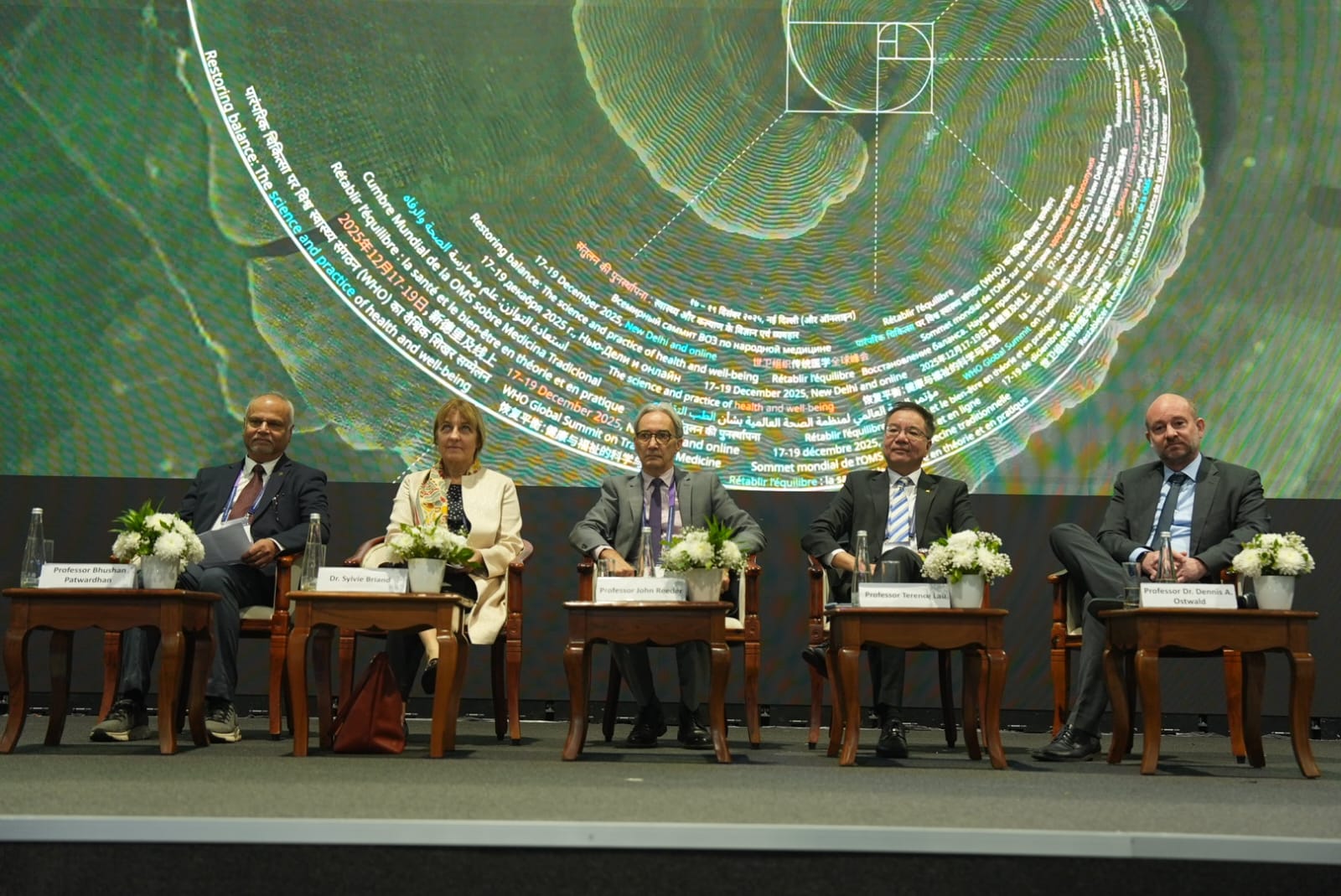
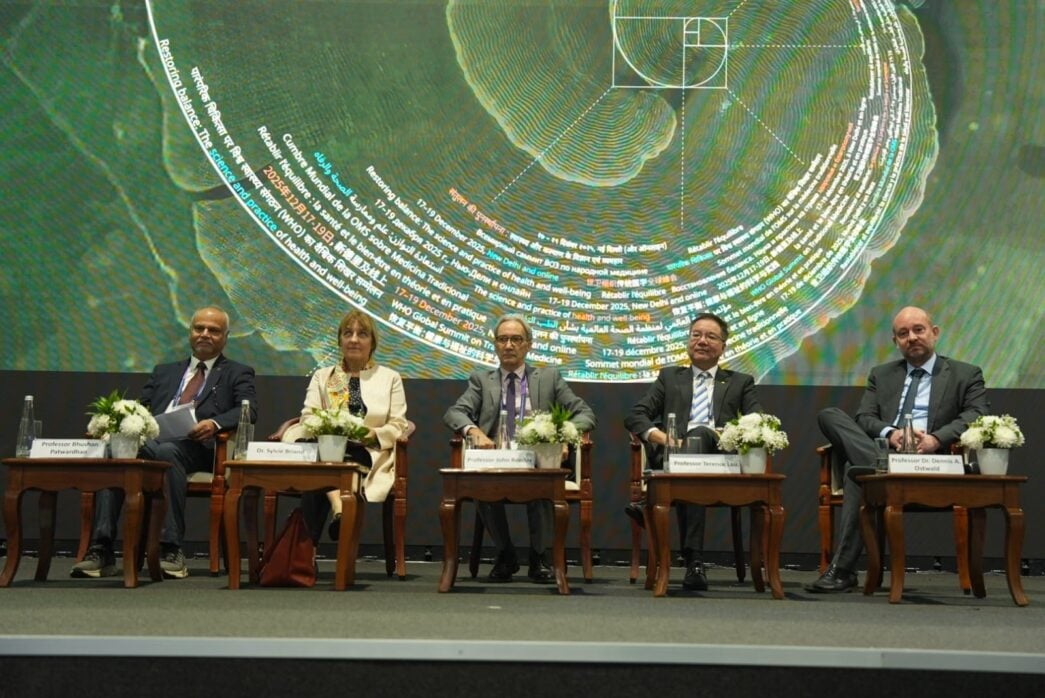
The World Health Organisation (WHO) on Wednesday opened its second global summit on traditional medicine in New Delhi, India.
The summit, which runs from December 17 to 19, is expected to announce new commitments and a call for a global consortium to accelerate implementation of the global strategy.
The event brings together ministers, scientists, Indigenous leaders and traditional medicine practitioners from more than 100 countries to advance evidence, regulation and innovation in the sector.
The summit, jointly organised with the government of India, is expected to announce major scientific initiatives and new commitments to support the implementation of the WHO global traditional medicine strategy 2025–2034, which prioritises stronger evidence, better regulation, health systems integration, collaboration and community engagement.
Advertisement
Traditional medicine, which includes both codified and non-codified systems that predate modern biomedicine, remains widely used across the world.
The WHO said nearly 90 percent of its 194 member states reported that between 40 and 90 percent of their populations rely on traditional medicine either as a main source of healthcare or as a preferred, personalised option.
Tedros Ghebreyesus, WHO director-general, said responsible and ethical engagement, combined with innovation from artificial intelligence to genomics, could help unlock the potential of traditional medicine to deliver safer and more sustainable health solutions.
Advertisement
“WHO is committed to uniting the wisdom of millennia with the power of modern science and technology to realise the vision of health for all,” Ghebreyesus said.
The organisation said the drive to integrate traditional medicine into health systems is critical at a time when nearly half of the global population lacks access to essential health services and more than two billion people face financial hardship to obtain care.
Sylvie Briand, WHO chief scientist, said stronger collaboration and the use of frontier technologies could transform how traditional medicine is studied and applied.
“We need to apply the same scientific rigour to the assessment and validation of biomedicine and traditional medicines, while respecting biodiversity, cultural specificities and ethical principles,” she said.
Advertisement
WHO also announced the launch of the traditional medicine global library, featuring more than 1.6 million scientific records aimed at closing research gaps in the field.