BY NNAA KALU NTO
When a nation begins to bleed, it must look not just at who holds the bandage, but whether they know how to stop the bleeding. For too long, Nigeria’s security architecture has been patched by politics rather than professionalism.
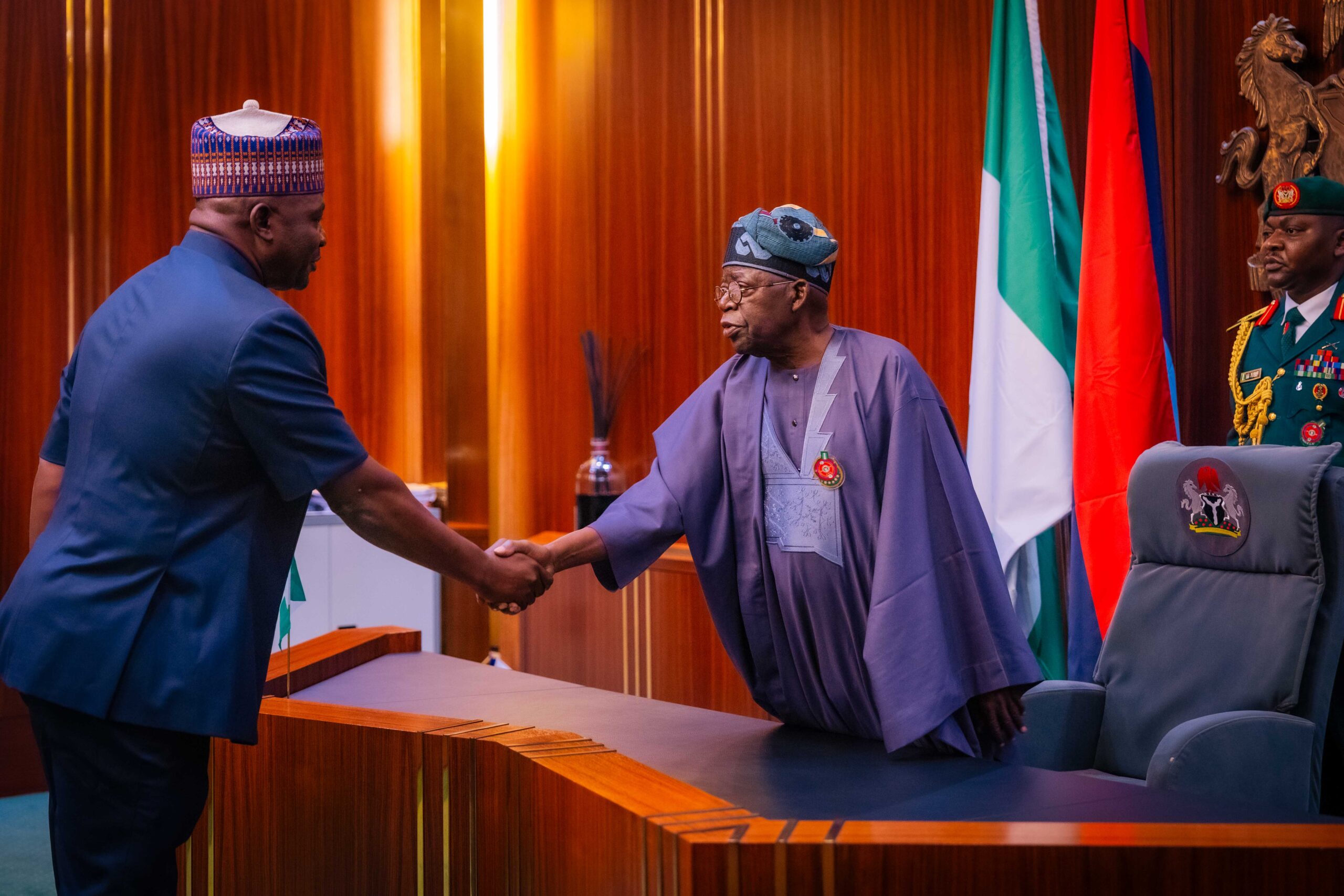
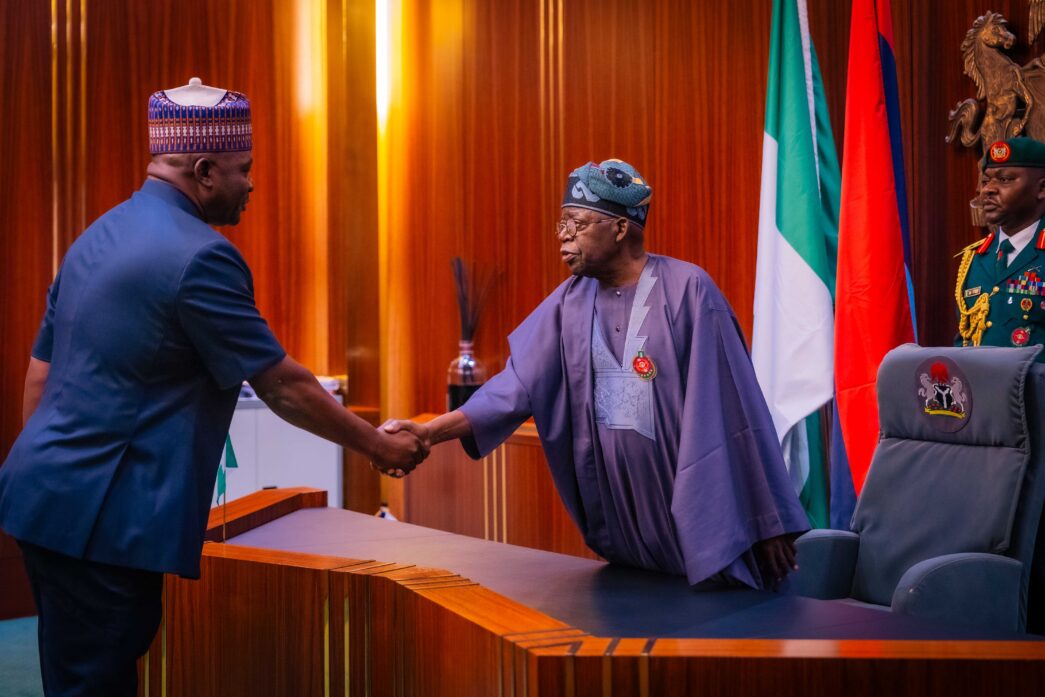
The appointment of General Christopher Gwabin Musa (rtd.) as the new minister of defence, succeeding Mohammed Badaru Abubakar, a former governor with no military background, marks what could be the turning of a crucial page in the story of our national security.
From Politics to Professionalism
Advertisement
The ministry of defence has, for years, been more of a ceremonial portfolio than a command post of strategy. When Badaru, a seasoned politician but a civilian through and through, was appointed defence minister, many Nigerians raised an eyebrow. I often wondered what strategic value his appointment would bring in the long run.
The insecurity crisis in our country has touched every one of us in one way or another, whether through personal experience of kidnapping or terror, or through someone close who has fallen victim to this grave menace. Badaru’s tenure coincided with some of the most audacious waves of insecurity in the nation’s history; banditry in the north-west, mass abductions in the north-central, unknown gunmen in the south-east, kidnapping all over the country and the creeping expansion of insurgent cells across several states.
While no single person can be blamed entirely for Nigeria’s complex security challenges, one cannot ignore the symbolism and impact of having a non-military actor lead a ministry so steeped in operational and tactical intricacies. Leadership without direct defence experience is like a man trying to fish in troubled waters without knowing how deep the river runs.
Advertisement
Now, with the appointment of General Christopher Musa, Nigeria appears ready to return to the basics, where competence, command, and clarity take the front seat over political comfort.
Who Is General Christopher Musa?
General Musa, born in Sokoto state and hailing from Zangon Kataf in Kaduna, is a battle-tested officer of the Nigerian Army. A graduate of the Nigerian Defence Academy’s 38th Regular Course, he has served across Nigeria’s toughest terrains and conflict zones.
Before his ministerial appointment, Musa was the chief of defence staff, a position he held with a reputation for strategic discipline, calm under fire, and a relentless pursuit of synergy among the armed services. He previously commanded the theatre of operations in the north-east under Operation Hadin Kai, where he supervised coordinated operations that weakened the operational capacities of Boko Haram and ISWAP insurgents.
Advertisement
Colleagues and subordinates alike often describe him as a soldier’s soldier – methodical, firm, and humane. He understands both the psychology of warfare and the sociology of peace, a rare blend in a military landscape where force often overshadows foresight.
A Country at War with Shadows
Nigeria’s insecurity has mutated beyond traditional warfare. What began as isolated attacks has grown into a networked system of terror: bandits who morph into kidnappers, insurgents who trade arms with local militias, and profiteers who fuel the chaos for political or economic gain.
One of the gravest mistakes in recent years has been treating the crisis as a law-and-order problem rather than a full-blown war of adaptation. To fight this kind of war requires more than boots on the ground; it demands brains in the command room.
Advertisement
General Musa’s experience in theatre operations gives him that edge. He has seen first-hand the limits of force and the necessity of intelligence, local collaboration, and community trust.
How to End the Endless War
Advertisement
If General Musa is to succeed, two key shifts must take place:
Intelligence and Community Partnership
Advertisement
Security must move closer to the people. The government should build a nationwide civilian intelligence network that allows local communities to report suspicious movements without fear. Our people say, “The insect that eats the vegetable lives within the vegetable.” The enemy often hides among us, and the first step to peace is trust between citizens and the armed forces.
Economic and Psychological Warfare
Advertisement
You cannot bomb poverty out of existence. Banditry and insurgency thrive in the soil of deprivation. Beyond guns and drones, Nigeria needs jobs, education, and moral rearmament. Reintegration programs, vocational training, and local empowerment schemes should run alongside counter-terrorism operations. A soldier can win the battle, but only justice can win the peace.
The End We Start From
In appointing General Musa (Rtd), President Tinubu may have finally realised that the ministry of defence is not a trophy cabinet for political allies but the nerve centre of national survival. It is my earnest prayer that this be the end of politics in defence, and the beginning of strategy in action.
Still, Nigeria’s redemption will not come from one man, however brilliant. It will come from a collective awakening; a recognition that national security is not just the duty of soldiers, but of citizens, leaders, and communities alike.
An African proverb reminds us, “The child who is not embraced by the village will burn it down to feel its warmth.” Perhaps, under General Musa’s watch, we will begin to rebuild that village: brick by brick, truth by truth, and peace by peace.
Nnaa Kalu Nto is a good governance advocate and can be reached via [email protected]
Views expressed by contributors are strictly personal and not of TheCable.