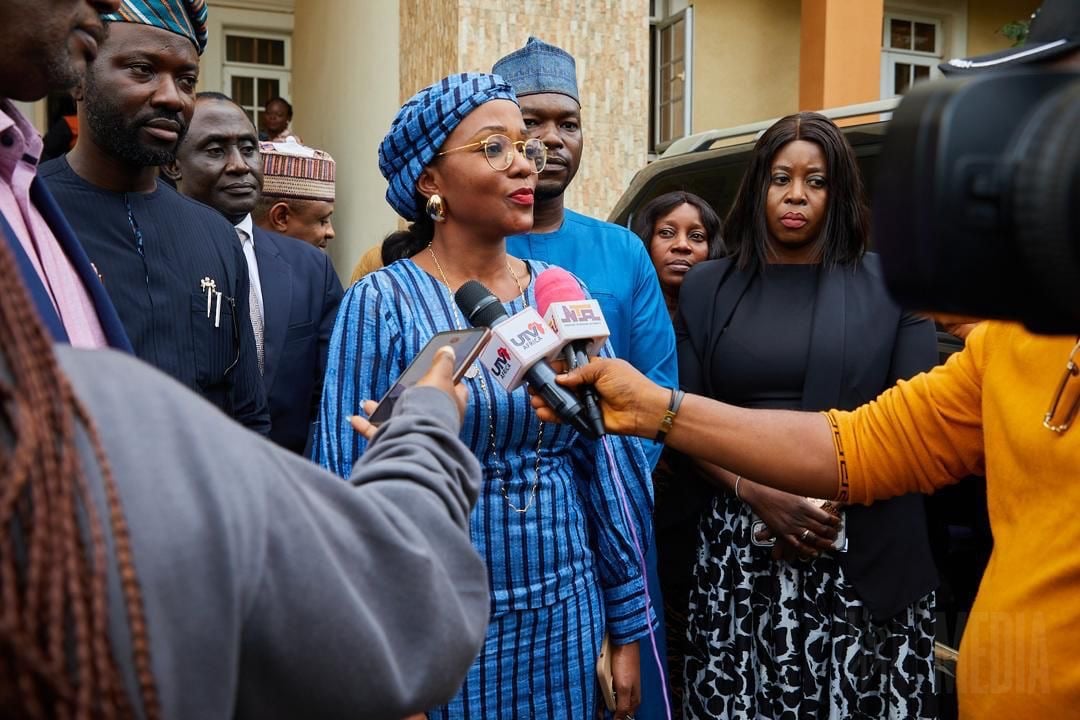
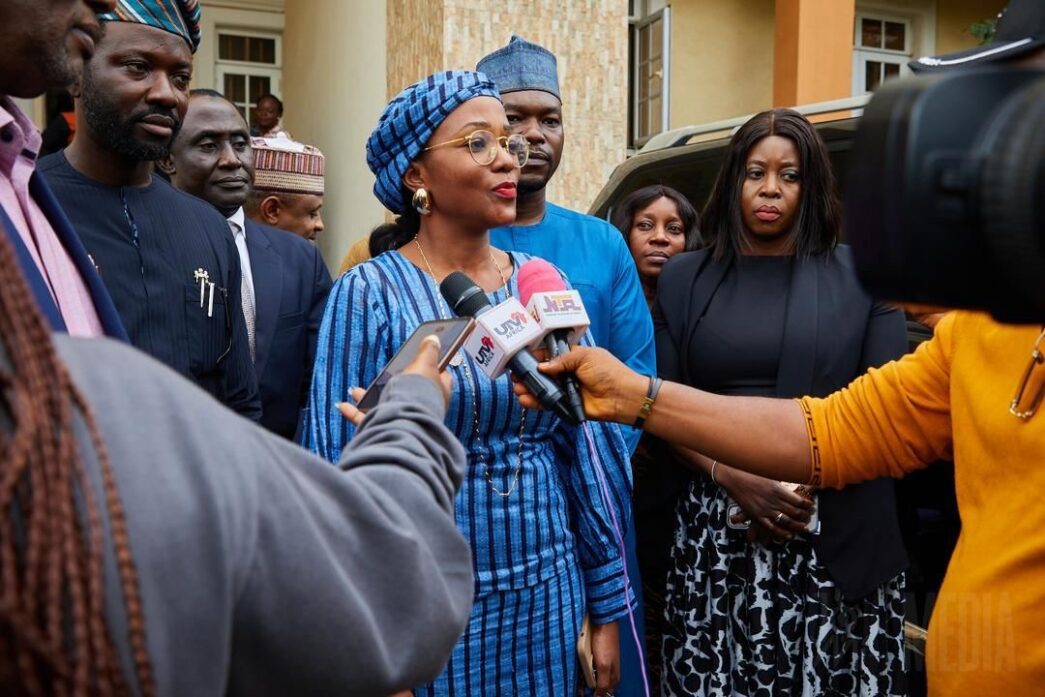
Tenioye Majekodunmi, director-general of the National Council on Climate Change
BY ISAH KAMISU MADACHI
A few months ago, while reading a research article on Nigeria’s response to climate change, I came across a recommendation that the country needs to establish a council to coordinate climate efforts. Out of curiosity, I decided to check if such a body, similar to the suggested one, already exists. To my surprise, I found that Nigeria has a National Council on Climate Change, established under the Climate Change Act of 2021. That means the council has been in existence for nearly five years now. But the problem is, I had never heard of the council until that day.
This isn’t just about me as a researcher. I have asked friends, colleagues, and even social media acquaintances who are genuinely interested in climate change issues if they’ve ever come across any work, campaign, or update from the council. Most of them gave the same response: “No.” In a time when climate change is hitting Nigeria hard through floods, droughts, irregular rainfall, rising heat, and food insecurity, how can the agency tasked with coordinating national climate action remain this obscure?
The Climate Change Act clearly spells out the structure and responsibilities of the council. Each geopolitical zone in Nigeria has a zonal coordinator, and each state has a director under the Council’s structure. That’s 6 zonal coordinators and 36 state directors. But for some reason, I couldn’t find out who my zonal coordinator for the north-east is or even the Bauchi state director — being my state of origin. What are they doing to advance Nigeria’s Action Plan for emissions reduction? Where are their activities being reported? Who holds them accountable?
Advertisement
The council is expected to lead Nigeria’s push toward net-zero emissions, coordinate state-level climate actions, support green energy transitions, and build resilience against climate disasters. But how can it do all these effectively if citizens don’t even know it exists? Visibility is not just about media presence, but it’s about accessibility, engagement, and accountability. Climate governance cannot work if institutions created by law are invisible to the people they are meant to serve
People should know who to reach when they want to report local climate problems, propose initiatives, or seek support for eco-friendly innovations. It’s hard to ignore how much attention other agencies get, such as NEMA, during flood response. Climate change cuts across all sectors, so the Council should be one of the most visible institutions in Nigeria today.
Nigeria’s climate governance structure is only as strong as the institutions coordinating it, and at the moment, the Council’s silence is a policy shortfall that needs urgent correction. To fix this, my suggestion is that the Council needs to improve its communication and public engagement approach. It should have an active digital presence that lists its zonal and state leadership, current programmes, and key achievements since its establishment. Collaborations with civil society, youth-focused climate campaigns, and regular public updates can help Nigerians feel involved.
Advertisement
A silent council can obviously not fight a loud crisis like climate change. The council must step out of the shadows and lead loudly because the stakes are too high for us not to know who is steering the ship.
Isah Kamisu Madachi is a policy analyst and development practitioner. He can be reached via [email protected]
Views expressed by contributors are strictly personal and not of TheCable.