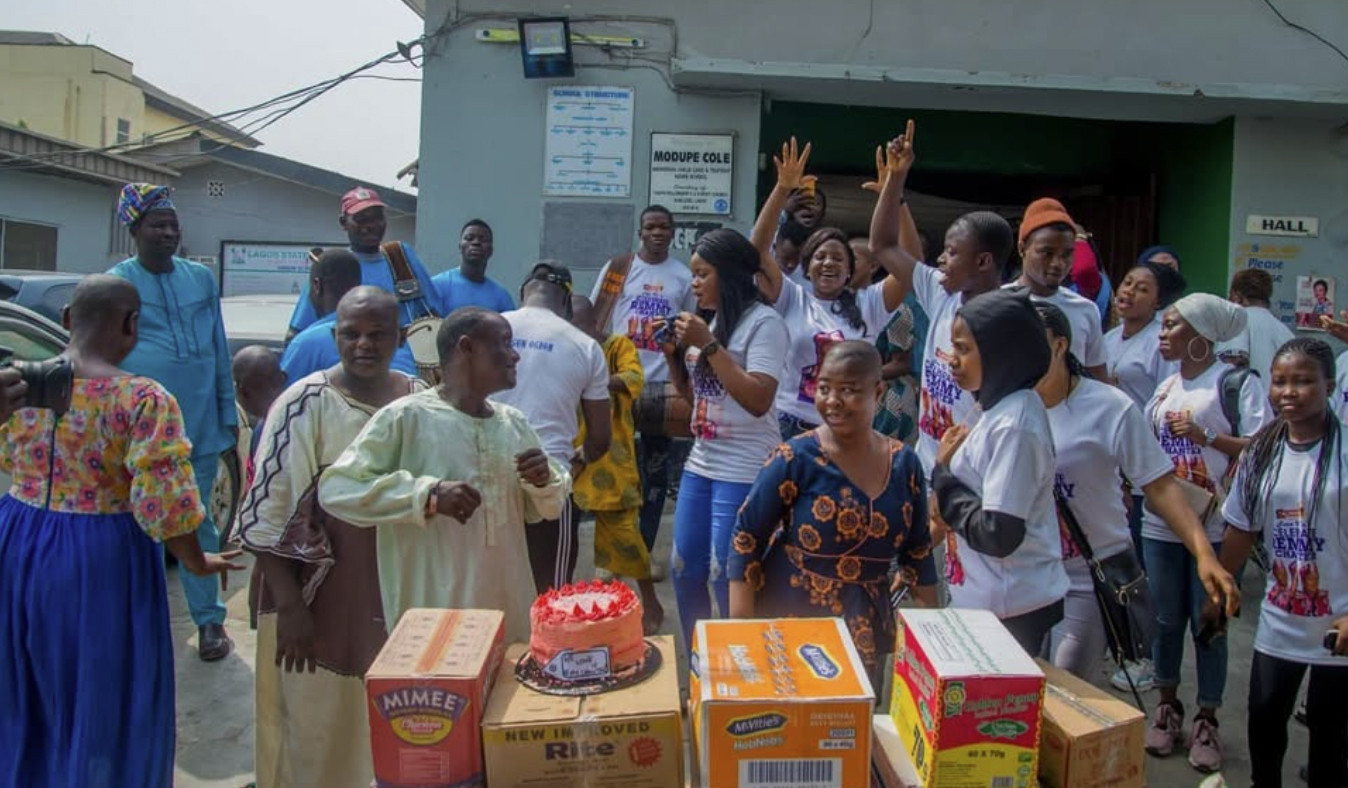
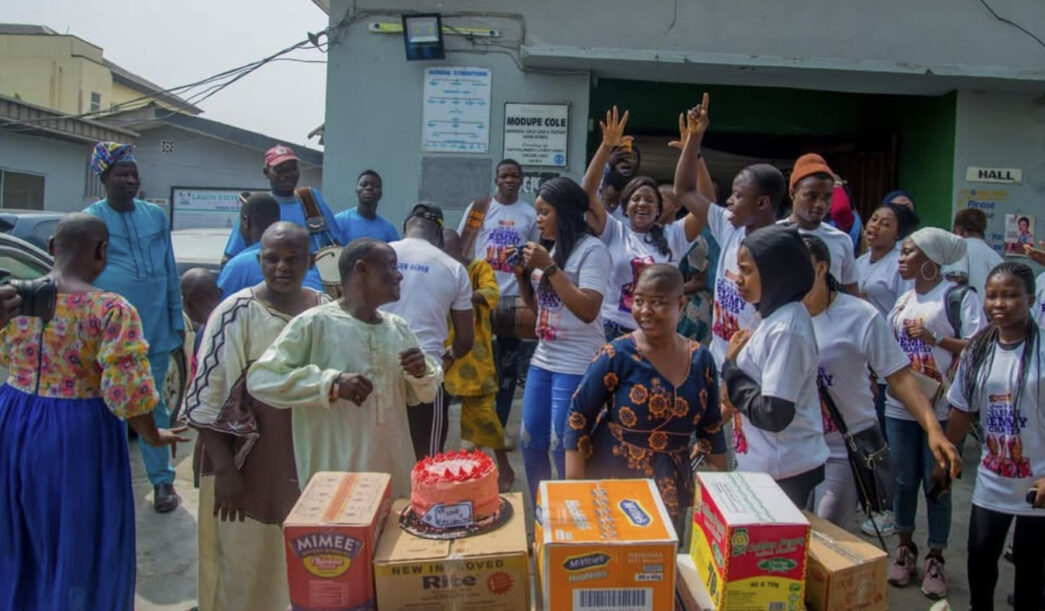
Modupe Cole care home in Lagos
Lagos is crowded with institutions competing for attention. Schools, hospitals, charities, foundations. Some well known, others quietly enduring. But few places carry the emotional and moral weight of the Modupe Cole Memorial Child Care and Treatment Home and School in Akoka, Lagos state.
For more than sixty years, this home has cared for children and adults living with profound physical and intellectual disabilities, including cerebral palsy, autism, and Down syndrome. Many residents require lifelong support. Many have been abandoned. And almost all exist at the margins of public consciousness.
Modupe Cole is not just a care home. It is a window into the deeper, often ignored struggle of running specialized care facilities in Nigeria. A struggle shaped by funding gaps, operational strain, and a society that still does not quite know what to do with disability.
The True Cost of Specialized Care
Running any orphanage is expensive. Running one that caters to complex disabilities is something else entirely.
Residents at Modupe Cole need care that goes far beyond shelter and food. They require 24-hour nursing attention, regular physiotherapy to prevent deterioration, specialized medications, and durable medical equipment like adaptive wheelchairs, hoists, and posture supports. These are not optional extras. They are the difference between comfort and pain, between dignity and neglect.
Advertisement
Nutrition is another quiet expense people rarely consider. Many residents need carefully prepared diets, sometimes blended or medically prescribed, which immediately raises food costs. Add to this the need for accessible infrastructure, constant repairs, and the reality of powering equipment in a country with unreliable electricity, and the financial burden becomes staggering.
Although the home is managed by the Lagos State Government, funding is widely understood to be insufficient and inconsistent. As a result, the institution leans heavily on donations, NGOs, and goodwill. That kind of dependence makes long-term planning almost impossible. Therapy programmes get interrupted. Educational goals stall. Survival replaces growth.
The Human Resource Crisis
Advertisement
Money alone, however, is not the biggest problem. People are.
Specialized care homes live or die by the quality and quantity of their staff. Yet Nigeria faces a chronic shortage of trained special education teachers, occupational therapists, speech therapists, and physiotherapists. These professionals are essential, not optional. Without them, residents lose opportunities to develop skills, mobility, or even basic independence.
Caregivers often step in with compassion and commitment, but love cannot replace training. Managing severe disabilities requires expertise, patience, and emotional resilience. The staff-to-resident ratio is necessarily high, especially for non-ambulatory individuals who need assistance with feeding, bathing, and movement.
Retention is another issue. The work is physically exhausting and emotionally intense, yet compensation often follows standard civil service scales that do not reflect the demands of the job. Burnout is common. So is quiet frustration. Even arranging hospital visits or emergency care becomes a logistical headache, complete with hidden transport costs and delays.
Advertisement
Stigma, Silence, and Policy Gaps
Perhaps the most painful challenge facing homes like Modupe Cole lies beyond budgets and staffing. It sits in society itself.
Despite the existence of Nigeria’s Discrimination Against Persons with Disabilities Act, implementation remains weak. There is no robust, well-funded social security system to support families caring for people with severe disabilities. Without that support, many families reach breaking point. When resources run out, care homes become the last resort.
Stigma plays a devastating role. Disability is still misunderstood in many communities, sometimes viewed as a curse, a punishment, or a source of shame. Fear, poverty, and cultural myths combine to drive abandonment. Children and adults are left behind, emotionally as much as physically.
Once institutionalized, many become invisible. They are underrepresented in national data, rarely featured in policy discussions, and often forgotten in development planning. When people are invisible, solutions never quite arrive.
Advertisement
Beyond Charity
For decades, the Modupe Cole Memorial has stood as a symbol of persistence, compassion, and quiet resistance. But its daily struggle exposes a larger truth. Running care homes in Nigeria is not just difficult. It is structurally unsupported.
Charity helps. Donations matter. But they are not enough.
Advertisement
What these homes need is a deeper commitment. Consistent public funding. Stronger disability-inclusive policies. Investment in training and retaining specialized professionals. And perhaps most importantly, a shift in how society sees disability, not as a burden to hide away, but as a shared responsibility.
Until that happens, institutions like Modupe Cole will continue to fight an invisible battle, keeping some of Nigeria’s most vulnerable citizens alive, cared for, and human, even when the system around them falls short.
Advertisement
Views expressed by contributors are strictly personal and not of TheCable.